

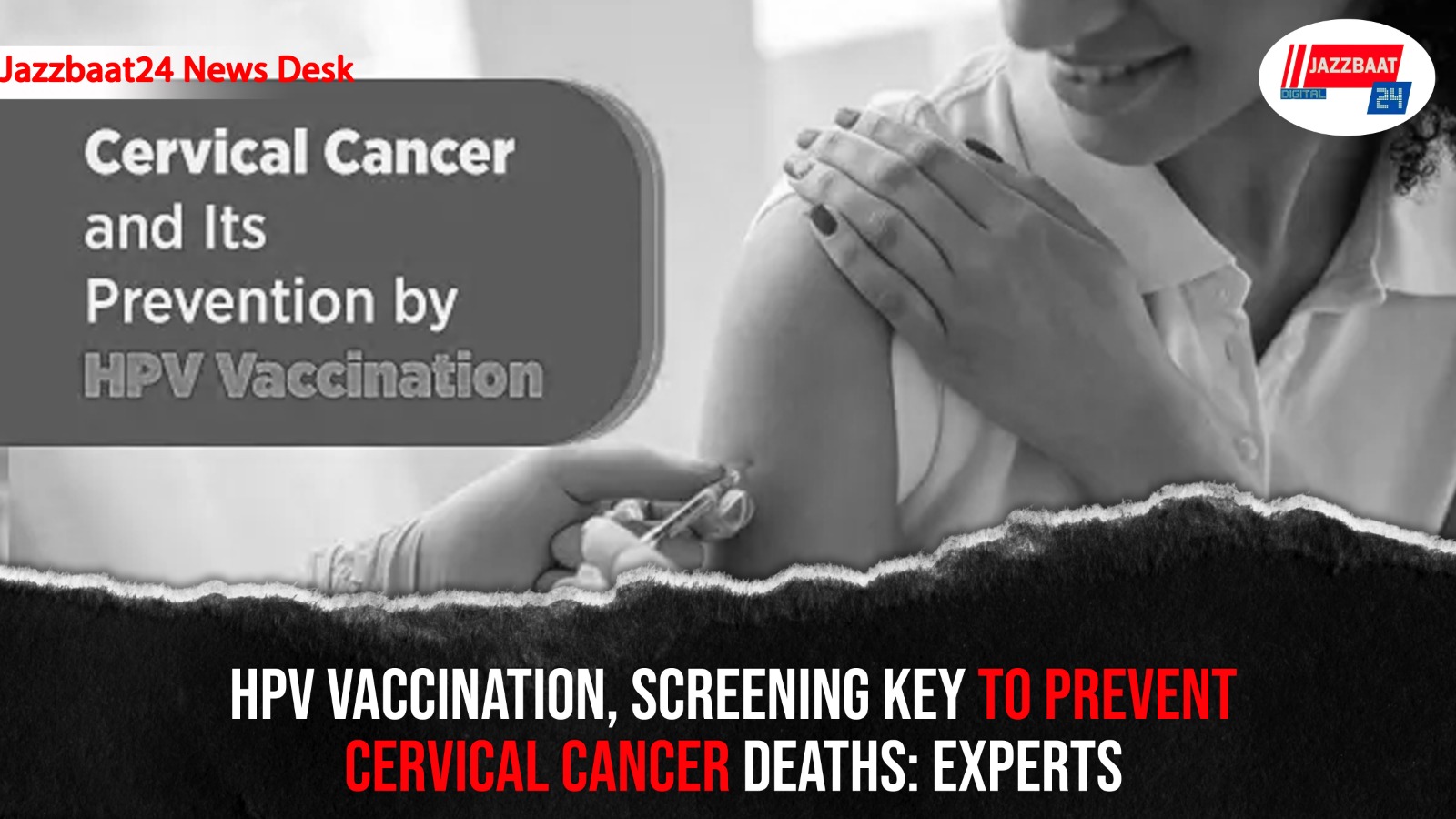
New Delhi: Health experts have strongly emphasised the need for widespread HPV vaccination and regular screening to prevent cervical cancer, a disease that continues to claim the life of one woman every eight minutes in India. Speaking during Cervical Cancer Awareness Month observed globally in January, doctors highlighted that cervical cancer is among the most preventable forms of cancer if timely action is taken.
Cervical cancer is primarily caused by persistent infection with the Human Papillomavirus (HPV), a common virus that affects the cervix, the lower part of the uterus. While most HPV infections clear on their own, untreated high-risk infections can lead to cancer over time. Experts noted that early detection through screening and prevention through vaccination can drastically reduce deaths.
Dr Sujata Pathak from AIIMS Delhi said cervical and breast cancers are the most common cancers among Indian women. She pointed out that countries with robust vaccination and screening programmes report far lower mortality rates. According to her, cervical cancer is almost 100 per cent preventable when screening is done on time or vaccines are administered at the appropriate age.
Gynaecologic oncologist Dr Rahul D. Modi added that HPV vaccination is one of the most successful public health interventions in modern medicine. The vaccine, available since 2006, is recommended for girls aged 9 to 14 years, who require two doses, while those older need three doses. The World Health Organization has also stated that even a single dose may offer protection for up to 20 years.
Experts stressed that the HPV vaccine is safe, with only mild side effects such as temporary pain or fever. Along with vaccination, regular screening through Pap smears or HPV DNA tests is crucial, as cervical cancer typically takes 15 to 20 years to develop.
AIIMS Delhi has launched a month-long free cervical cancer screening initiative to promote early detection. Doctors warned that symptoms usually appear at a late stage and should never be ignored. They urged women and families to prioritise awareness, vaccination, and routine screening to save lives.