Prime Minister Narendra Modi on Sunday urged citizens to adopt fuel-saving measures and conserve foreign exchange while addressing a public rally in Hyderabad, warning of the growing economic impact of the ongoing conflict in West Asia.
Speaking at the event, he highlighted that rising tensions in the region have disrupted global energy supplies and pushed up crude oil prices, creating pressure on India’s economy, which relies heavily on imported fuel. The situation has been further aggravated by supply chain disruptions and increasing costs of essential commodities.
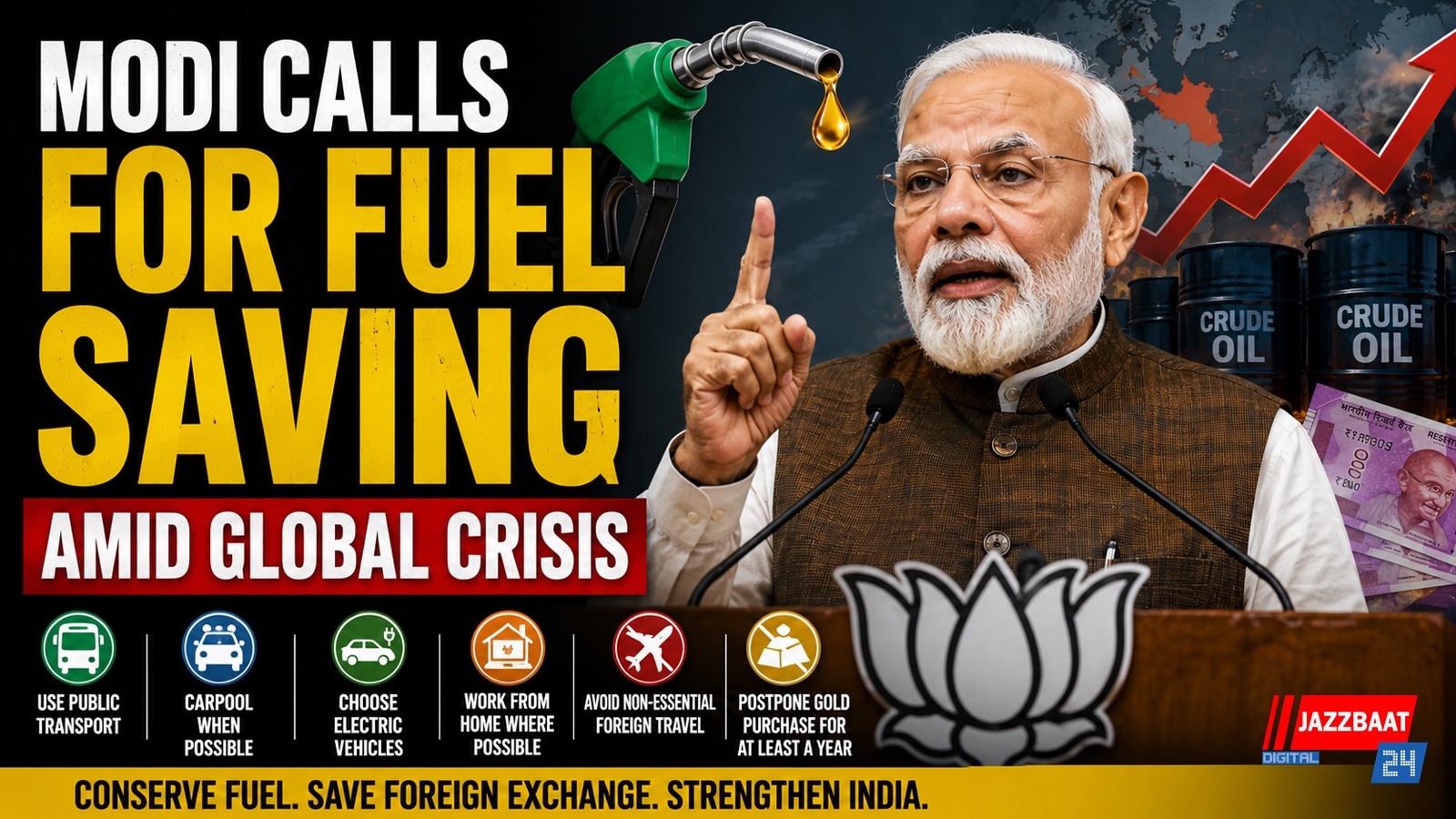
The Prime Minister called on people to use petrol, diesel and cooking gas “with restraint” and stressed that small behavioural changes by citizens could significantly reduce the country’s import burden. He encouraged the use of public transport, carpooling and electric vehicles, and suggested that companies revive work-from-home practices introduced during the Covid-19 pandemic to cut down daily fuel consumption.
In a bid to conserve foreign exchange, he also advised citizens to avoid non-essential foreign travel and postpone unnecessary purchases of gold for at least a year. These steps, he said, would help India manage its trade deficit and reduce pressure on foreign currency reserves during the global crisis.
He further urged businesses to shift transportation of goods from roads to railways wherever possible and appealed to people to adopt energy-efficient alternatives such as solar power and electric mobility. According to him, such collective efforts would not only save fuel but also strengthen India’s long-term energy security.
Highlighting the seriousness of the situation, he said the country must act responsibly to deal with the economic fallout of the conflict. He emphasized that conserving fuel and reducing unnecessary expenditure are not just economic decisions but also acts of national responsibility during challenging times.
The appeal comes as global oil markets remain volatile due to tensions in West Asia, raising concerns about possible fuel price hikes and broader economic impacts in the coming months.