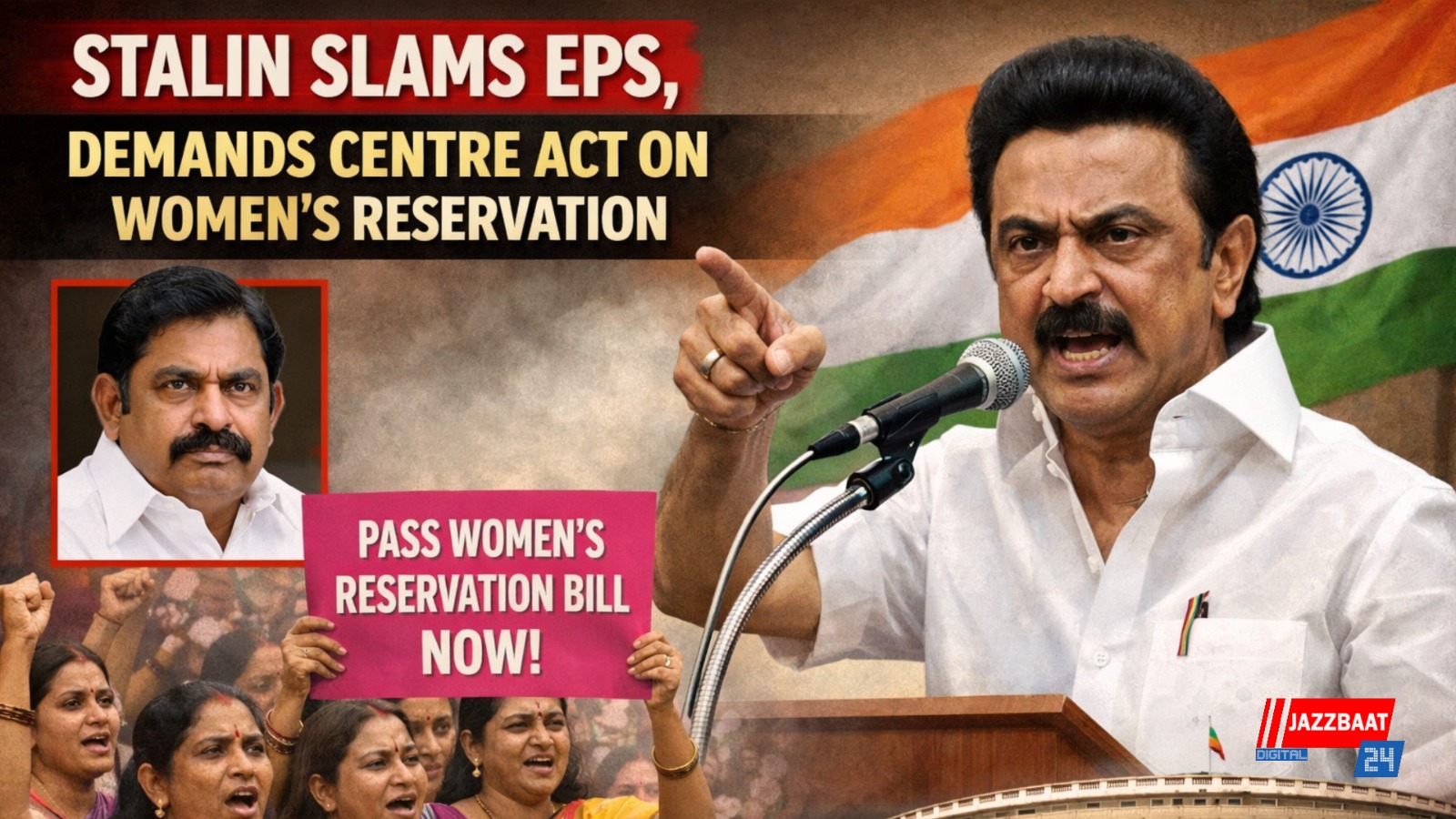

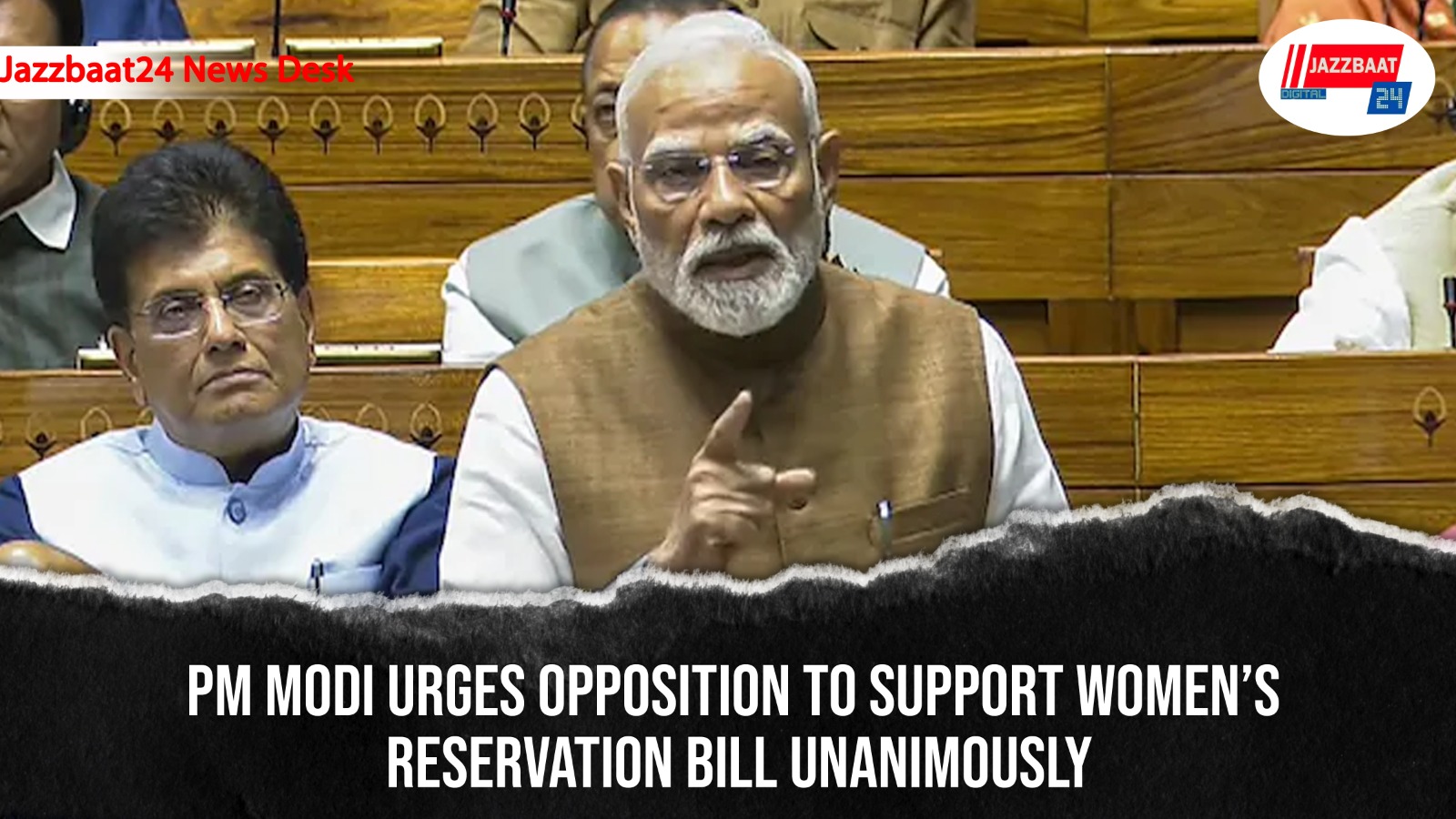
Prime Minister Narendra Modi on Thursday appealed to Opposition parties to extend unanimous support to the Women’s Reservation Bill, stressing that the legislation should be seen as a national reform above political differences. His remarks came during the ongoing special session of Parliament, where the government is pushing for the implementation of 33 per cent reservation for women in the Lok Sabha and State Assemblies.
Addressing the Lok Sabha, PM Modi highlighted that the bill represents a historic step towards empowering women and strengthening democratic participation. He said the reform is not about political credit but about ensuring greater representation of women in decision-making bodies. According to him, India’s “Nari Shakti” must be given adequate space in governance to reflect the aspirations of half the population.
The Prime Minister also made a strong pitch for consensus, urging all parties to rise above political divisions and support the constitutional amendment. He indicated that the success of the bill would depend on broad political agreement, as the legislation requires a two-thirds majority in both Houses of Parliament, along with ratification by half of the state legislatures.
His appeal comes amid continued Opposition concerns over the government’s broader legislative package, particularly the proposed delimitation exercise linked to the implementation of women’s reservation. Opposition leaders have argued that linking delimitation with the quota bill could delay its enforcement and potentially alter the balance of representation among states. They have also demanded greater clarity on how constituency restructuring will be carried out.
Despite the protests, the government maintained that the delimitation process is necessary to ensure fair representation based on updated population data, while also assuring that no state would lose its political share. PM Modi reiterated that the objective is to expand and strengthen Parliament while ensuring equitable representation across regions.
Earlier, the Prime Minister had written to leaders of all political parties seeking their cooperation and describing the legislation as one of the most significant reforms in independent India’s democratic journey. He has also framed the bill as a long-awaited measure that will shape future generations of political leadership.
The Lok Sabha is expected to continue detailed discussions on the bill before moving towards voting, while proceedings in the Rajya Sabha remain closely watched amid ongoing political differences over the proposed reforms.