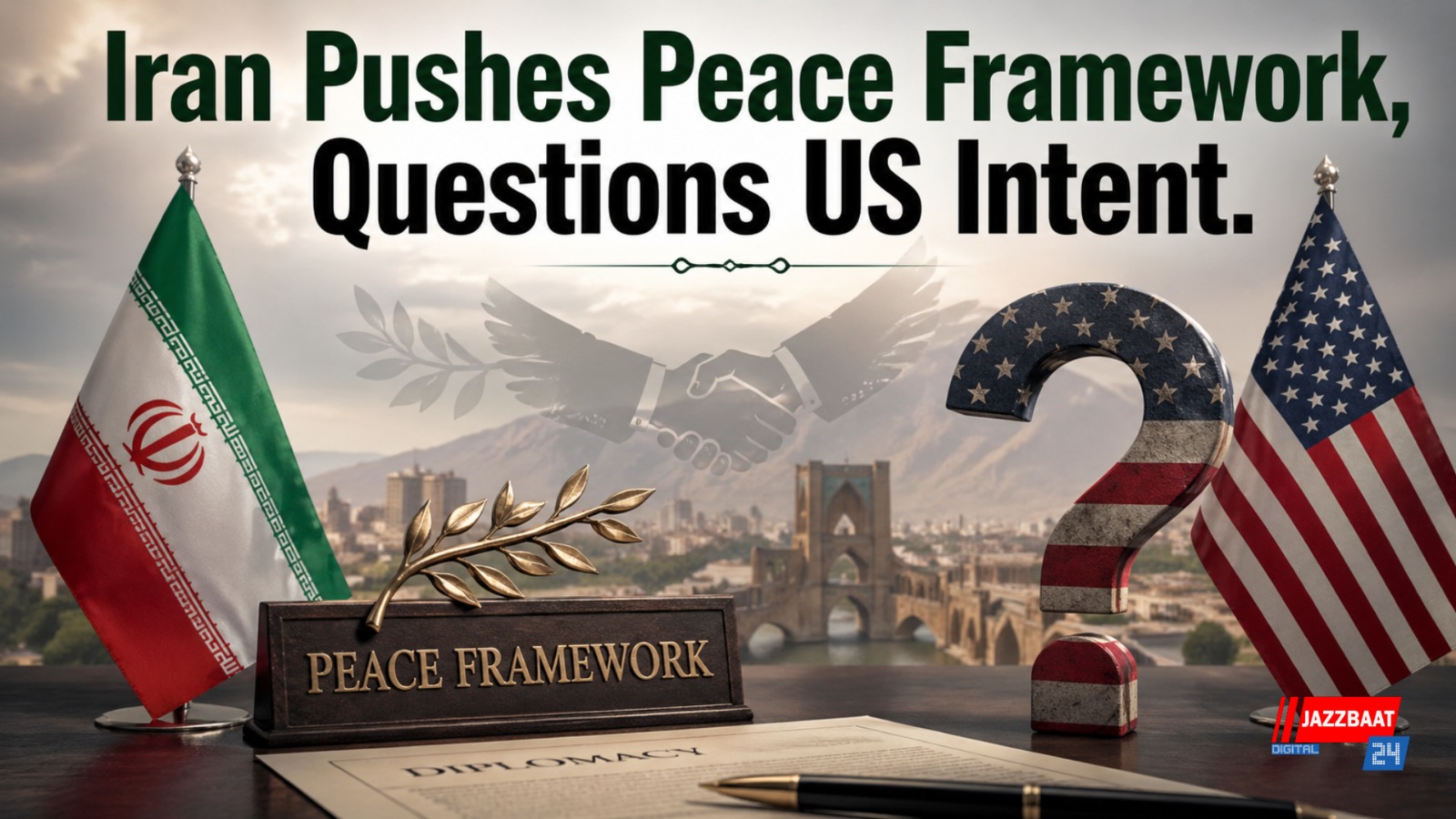
Iran’s Foreign Minister Abbas Araghchi has presented a proposed framework aimed at “permanently ending” the ongoing conflict with the United States, outlining Tehran’s position during high-level talks in Pakistan.
Speaking after meetings in Islamabad, Araghchi said Iran had shared a “workable framework” with Pakistani leadership to bring a lasting end to the war. However, he expressed skepticism about Washington’s intentions, stating that it remains unclear whether the US is genuinely committed to diplomacy.
The visit comes amid Pakistan’s efforts to mediate between Tehran and Washington in a conflict that has already lasted nearly two months. Pakistani officials have been attempting to broker dialogue, but the latest round of engagements failed to produce any breakthrough.
According to reports, Iran also handed over an “official list of demands” during the discussions, outlining conditions for a comprehensive resolution. These reportedly include steps toward a complete ceasefire and guarantees to end what Tehran describes as an “imposed war” involving the US and its allies.
Despite these diplomatic efforts, progress remains stalled. A planned second round of talks in Islamabad did not materialise, further dampening hopes of an immediate resolution. The situation became more uncertain after former US President Donald Trump cancelled a scheduled visit by American envoys, citing internal issues within Iran’s leadership and dissatisfaction with Tehran’s proposals.
Iran, on its part, has maintained that any agreement must ensure a “complete and lasting” end to hostilities, rather than a temporary ceasefire. Officials have emphasized that durable guarantees and respect for sovereignty are key conditions for moving forward.
Araghchi described his talks in Pakistan as “fruitful” and appreciated Islamabad’s role in facilitating dialogue. He is expected to continue diplomatic efforts with visits to other regional players, including Oman and Russia, in an attempt to build broader support for Iran’s position.
The development highlights the fragile state of diplomacy in the region. While both sides have indicated openness to negotiation in principle, deep mistrust and disagreements over key issues—such as security guarantees and strategic control—continue to block any concrete progress.
As tensions persist, the proposed framework represents a potential pathway to peace, but its success will largely depend on whether both Iran and the United States are willing to compromise and engage in sustained dialogue.