

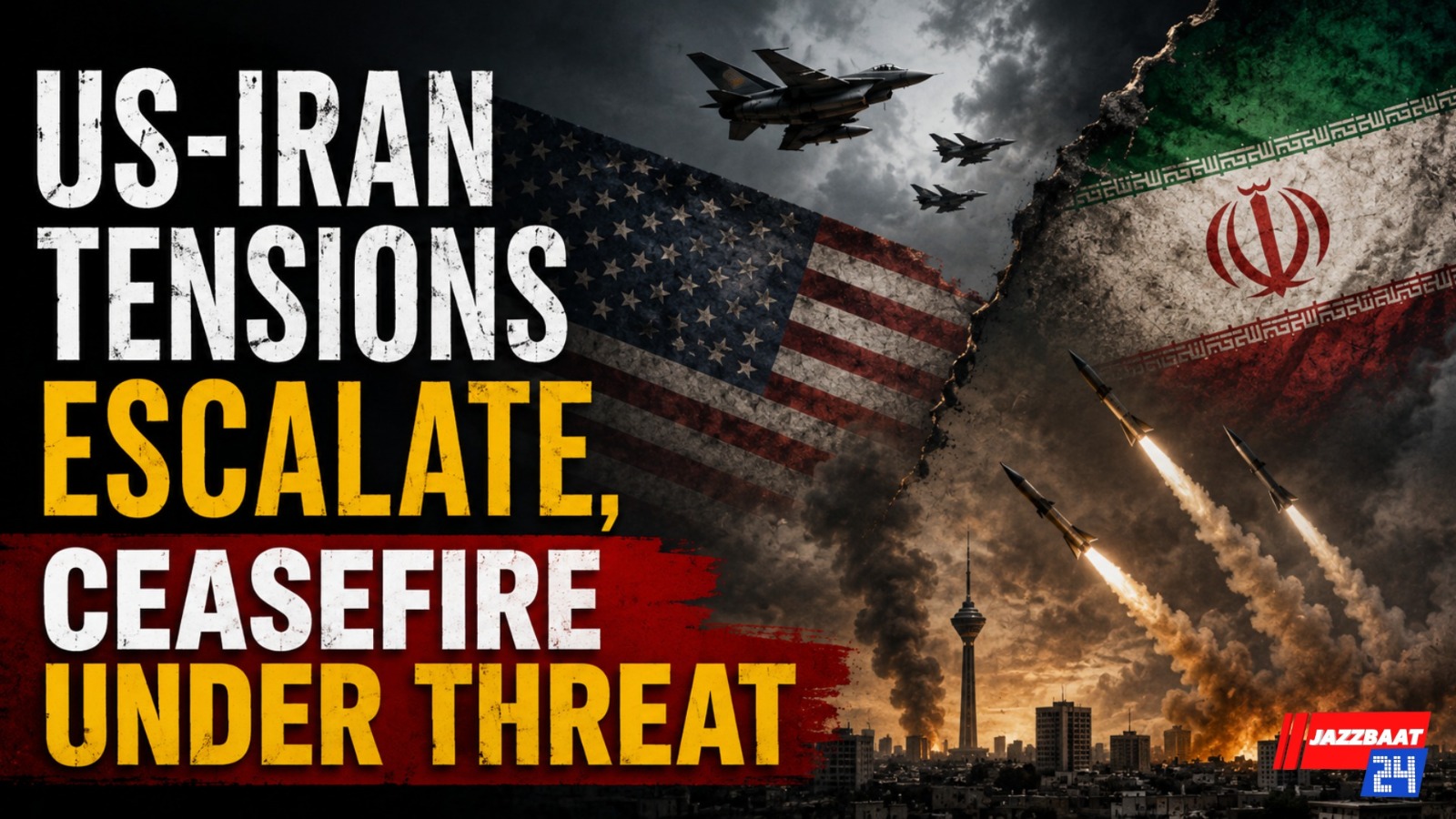
A fragile ceasefire between the United States and Iran has come under renewed strain after both sides exchanged fresh military strikes across the Middle East, raising fears of a wider regional conflict and jeopardising ongoing diplomatic efforts. The latest escalation follows days of mounting tensions in and around the Strait of Hormuz, a strategic waterway through which nearly one-fifth of the world's oil supply passes.
According to reports, the United States launched a series of airstrikes targeting around 90 Iranian military and logistical sites, including missile and drone facilities as well as transport infrastructure. US officials said the strikes were carried out in response to Iranian attacks on commercial vessels in the Strait of Hormuz, which Washington described as a violation of the interim ceasefire agreement reached earlier this year.
Iran responded by launching missiles toward US military facilities and allied locations in Bahrain, Kuwait and Qatar. Air raid sirens were activated in Bahrain, home to the US Navy's Fifth Fleet, while regional air defence systems were deployed to intercept incoming missiles. Authorities in several Gulf nations urged residents to remain indoors as a precaution, although early reports indicated that casualties and damage were limited.
The exchange of fire has cast serious doubt over the future of the ceasefire and the broader diplomatic process. US President Donald Trump declared that the truce was effectively "over" after accusing Iran of attacking commercial shipping. He warned that any further provocations would trigger stronger military action. Iranian officials, however, accused Washington of violating the agreement first and insisted they were acting in self-defence.
The renewed hostilities have also disrupted maritime traffic through the Strait of Hormuz. Shipping activity has slowed significantly as commercial vessels wait for improved security conditions, raising concerns over global energy supplies. Oil prices initially surged on fears of supply disruptions before easing later in the day amid hopes that diplomatic channels could still prevent a full-scale conflict.
Regional powers including Qatar, Saudi Arabia, Turkey, Egypt and Pakistan have stepped up mediation efforts in an attempt to prevent further escalation. Diplomats are reportedly working behind the scenes to revive negotiations on a broader security and nuclear agreement, despite the latest military confrontation.
The United Nations has also appealed to both countries to exercise maximum restraint, warning that continued military exchanges could destabilise the entire Middle East and threaten international trade and energy markets.
As the situation remains fluid, security analysts believe the coming days will be crucial in determining whether diplomacy can survive the latest round of violence or whether the region is heading toward a prolonged conflict with far-reaching global consequences.