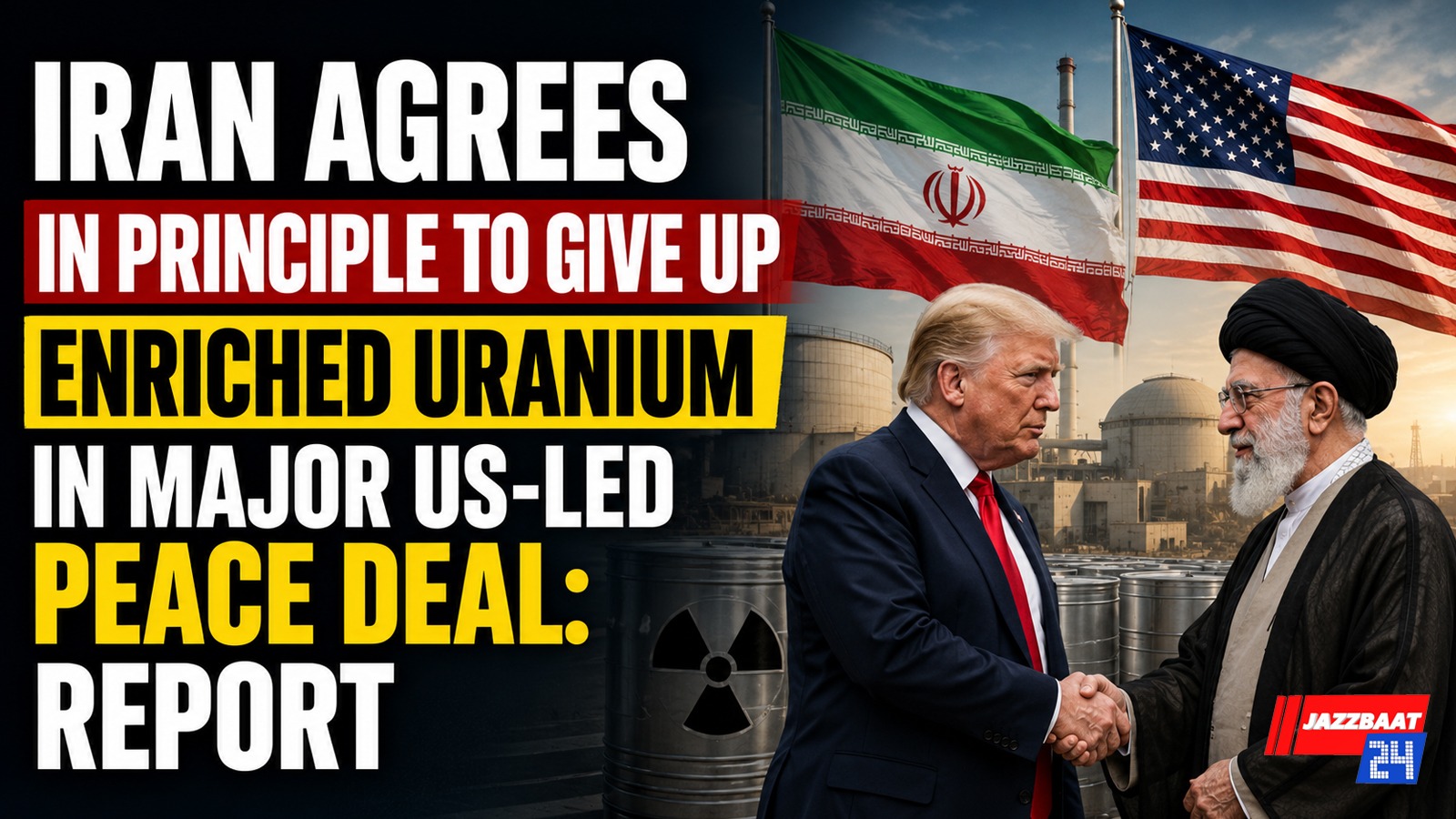
Iran has reportedly agreed in principle to relinquish its stockpile of highly enriched uranium as part of a major peace agreement being negotiated with the United States, marking what could become one of the most significant diplomatic breakthroughs in the Middle East in recent years.
According to reports citing US officials and sources familiar with the negotiations, the proposed agreement is part of a broader US-led effort aimed at reducing tensions in the region, reopening the Strait of Hormuz, and laying the foundation for fresh nuclear talks between Washington and Tehran.
The deal is said to include a 60-day ceasefire framework during which Iran would suspend certain military activities and begin discussions over its nuclear programme. In return, the United States could ease sanctions, lift restrictions on Iranian ports, and allow Tehran to resume oil exports under specific conditions.
One of the most critical aspects of the proposed agreement involves Iran’s stockpile of highly enriched uranium, which Western nations and Israel have long viewed as a major security concern. Reports suggest Iran has agreed “in principle” to surrender or dismantle the stockpile, though details regarding how and where the uranium would be transferred are still being negotiated.
US President Donald Trump claimed the agreement had been “largely negotiated” following discussions with leaders from several Middle Eastern countries, including Saudi Arabia, Qatar, Jordan, Bahrain and the United Arab Emirates. Pakistan has also reportedly emerged as a key mediator in the ongoing talks.
Despite signs of progress, Iranian officials have cautioned that no final agreement has yet been signed. Tehran has maintained that any future deal must include guarantees against military attacks by the US or its allies and respect Iran’s national interests.
The negotiations come after weeks of heightened regional tensions that disrupted shipping routes, increased fears of wider conflict, and pushed up concerns in global energy markets. The reopening of the Strait of Hormuz — one of the world’s most important oil transit routes — remains a central part of the proposed arrangement.
Officials from both sides are expected to continue negotiations over the coming weeks, with reports suggesting that talks regarding Iran’s uranium stockpile and future enrichment limits could continue for another 30 to 60 days before a final agreement is reached.