

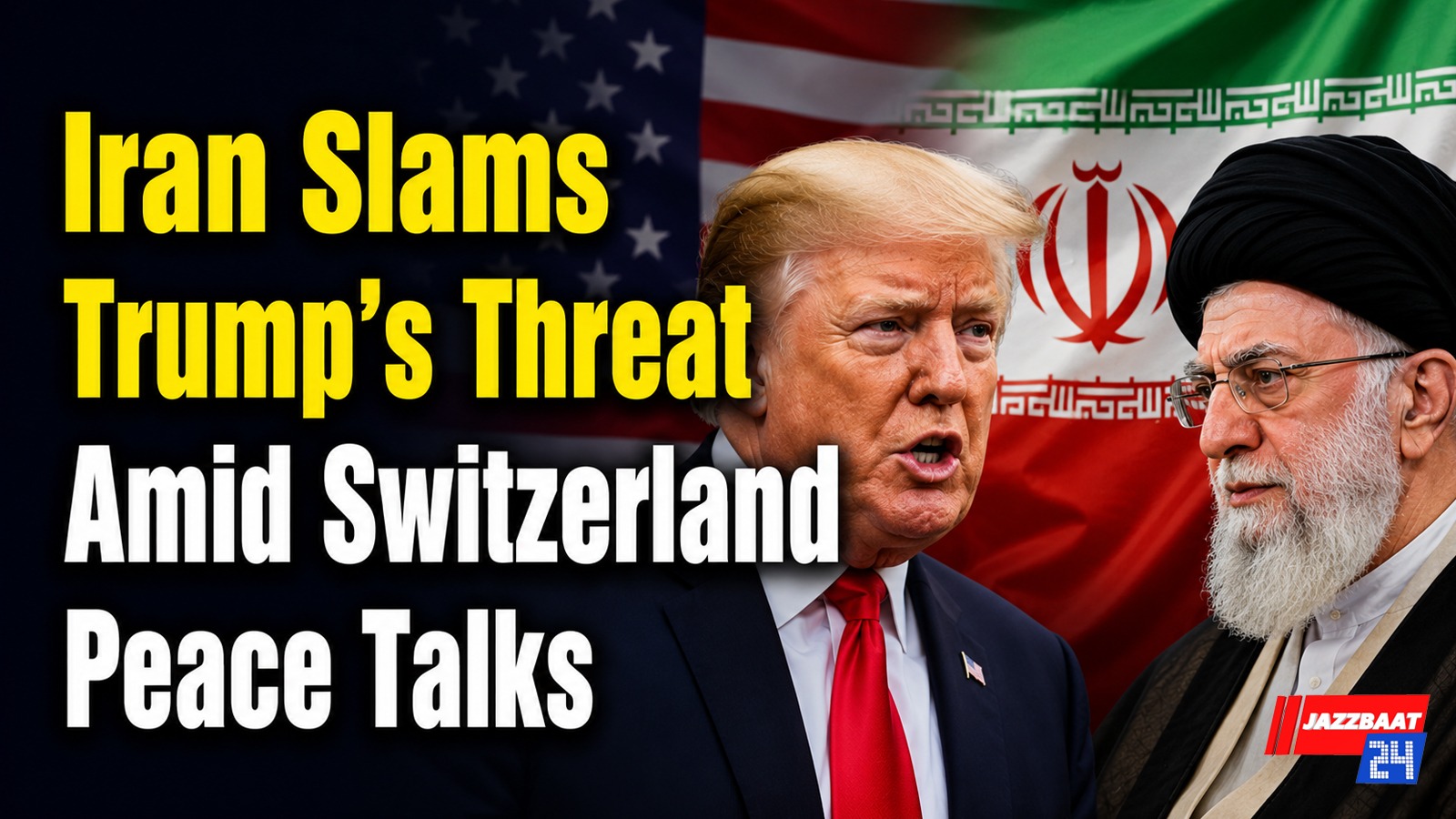
Fresh tensions emerged during ongoing US-Iran peace talks in Switzerland after US President Donald Trump warned Tehran that it must rein in its Lebanon-based proxies or face severe military consequences. Trump stated that if Iran does not stop its “proxies in Lebanon from causing trouble,” the United States would “hit Iran very hard again,” escalating rhetoric even as diplomatic negotiations continue.
The remarks were widely seen as a reference to Hezbollah, the Iran-backed armed group involved in ongoing clashes with Israel in southern Lebanon. Trump's warning came while high-level delegations from Washington and Tehran were meeting in the Swiss resort of Bürgenstock to discuss a broader roadmap aimed at reducing regional tensions and reaching a long-term agreement within 60 days.
Iran reacted sharply to the comments. Iranian Parliament Speaker Mohammad Bagher Ghalibaf reportedly condemned the warning, describing it as a sign of desperation and insisting that Iran would not negotiate under threats. Iranian officials argued that Trump's statement undermined diplomatic efforts and briefly disrupted the talks, with reports indicating that the Iranian delegation temporarily walked out in protest before discussions resumed through mediators.
Despite the exchange, mediators from Qatar and Pakistan said the talks made progress and produced a framework for continued negotiations. Discussions have focused on regional security, the conflict in Lebanon, maritime safety in the Strait of Hormuz, sanctions relief and nuclear-related issues. US Vice President JD Vance described the negotiations as showing “great progress,” although significant disagreements remain.
The latest war of words highlights the fragile nature of the diplomatic process. While both sides have expressed interest in avoiding further escalation, continuing violence involving Hezbollah and Israeli forces in Lebanon remains a major obstacle to a lasting agreement. Analysts warn that any major flare-up on the Lebanon front could jeopardize the peace initiative currently underway in Switzerland.