

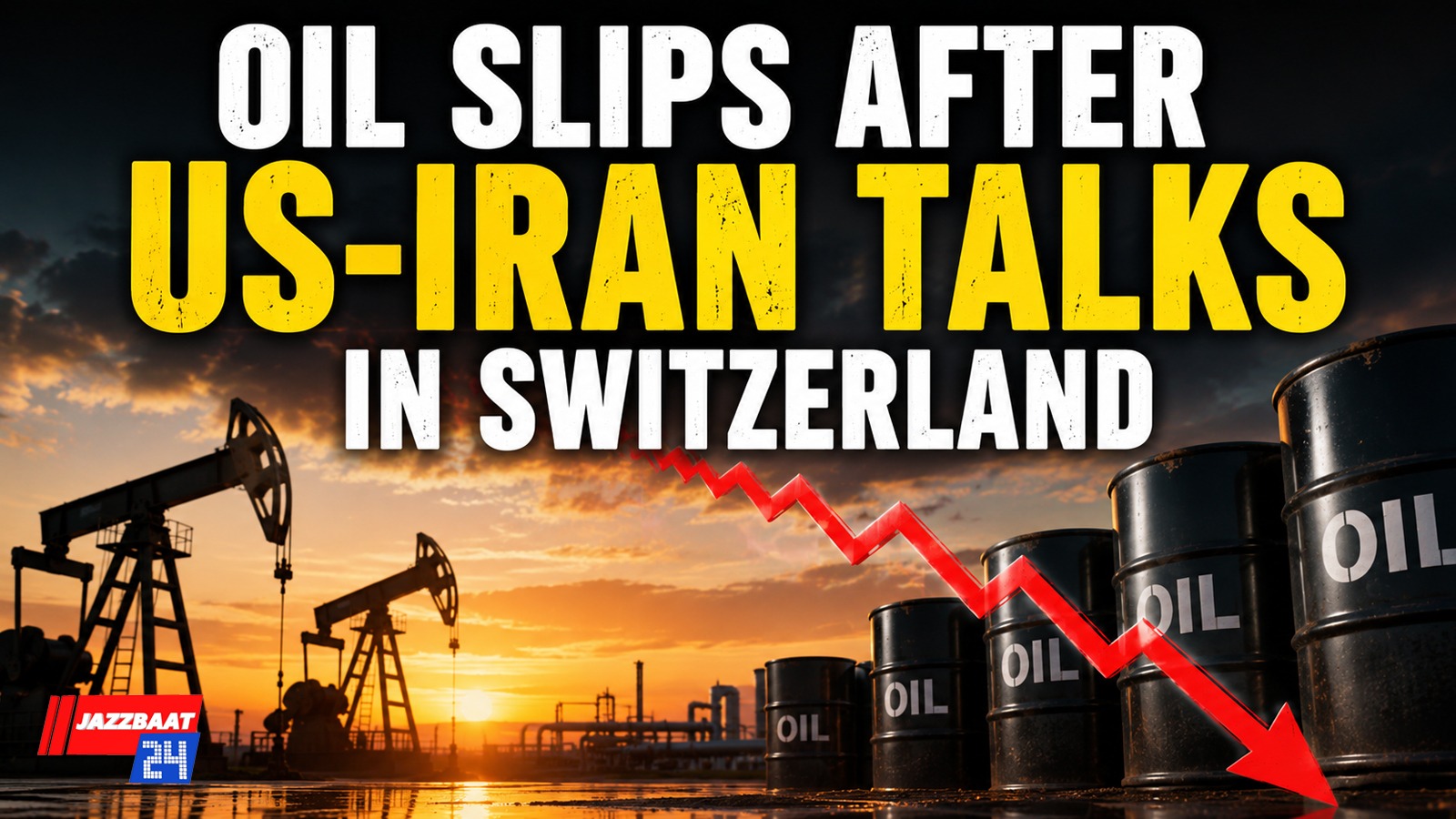
Global oil prices fell on Monday after the United States and Iran concluded a fresh round of talks in Switzerland, raising hopes of improved oil supply and easing concerns over disruptions in global energy markets.
Brent crude futures dropped below the $80-per-barrel mark, while U.S. West Texas Intermediate (WTI) crude also declined as traders reacted positively to signs of diplomatic progress between Washington and Tehran. Reports indicated that Iran secured waivers allowing continued oil and petrochemical exports, reducing fears of a supply crunch that had supported higher oil prices in recent months.
The negotiations, held in Switzerland and mediated by regional partners, resulted in both sides agreeing to work toward a broader agreement within the next 60 days. Iranian officials described the discussions as constructive and pointed to progress on issues including sanctions relief, oil exports and regional security.
Markets also welcomed indications that shipping activity through the Strait of Hormuz could continue to improve. The strategic waterway, through which a significant portion of the world’s oil supply passes, has faced months of disruption due to regional tensions. Increased movement of oil tankers and the resumption of Iranian exports are expected to add more crude to global markets, putting downward pressure on prices.
Analysts noted that additional supplies from Iran, along with increased production from several Gulf countries, could help stabilize energy markets if diplomatic progress continues. Iraq and other regional producers have already signaled plans to boost output, further easing supply concerns.
Despite the decline in oil prices, market observers cautioned that geopolitical risks remain. Sporadic violence in the Middle East and unresolved issues surrounding Iran’s nuclear programme could still create volatility in the coming weeks. Investors are also closely monitoring technical discussions scheduled after the Switzerland talks, which are expected to determine whether the current diplomatic momentum can be translated into a lasting agreement.
For now, however, the market’s reaction was clear: hopes of improved relations between the United States and Iran, coupled with expectations of higher oil supplies, pushed crude prices lower and eased concerns over a prolonged energy supply shock.