

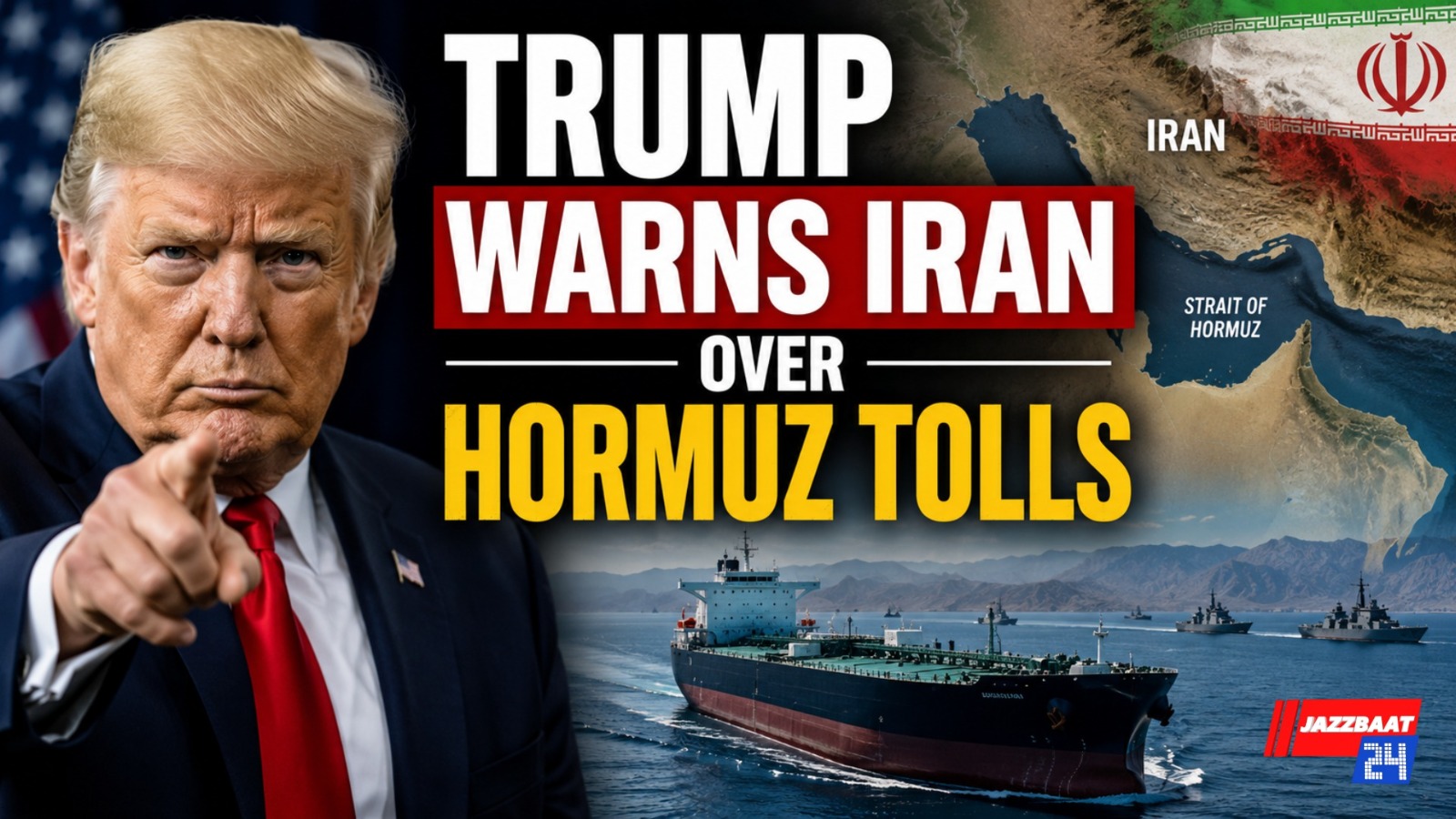
US President Donald Trump has said Iran has assured Washington that it is not seeking to impose tolls, insurance fees or any other charges on ships passing through the Strait of Hormuz, one of the world’s most important energy routes.
In a social media post, Trump said Iran had informed the United States that reports about such charges were false. He warned that if the information given by Tehran turned out to be untrue, negotiations between the two countries would “end immediately.” The statement came as Washington and Tehran continue fragile talks aimed at easing tensions in the Gulf and keeping the strategic waterway open.
The Strait of Hormuz is a critical passage for global oil and liquefied natural gas shipments. Any move to charge vessels or restrict movement through the strait could sharply affect energy prices and increase pressure on shipping companies. That is why reports of possible Iranian fees had triggered concern among traders, Gulf states and Western governments.
Trump’s remarks appeared to be an attempt to calm markets and send a clear warning to Iran at the same time. He said the United States would not accept any toll, insurance cost or similar charge on ships travelling through the waterway. His message also reflected growing political pressure at home, where some critics have questioned whether the ongoing talks give Iran too much leverage over maritime traffic.
The issue has become more sensitive after recent attacks and disruptions near the Gulf of Oman and the Strait of Hormuz. The UN’s maritime agency recently paused an operation to help escort ships through the area after a vessel came under attack. The incident again highlighted the risk faced by commercial shipping in the region.
Iran, however, has insisted that any movement through the strait must respect its security conditions. Tehran has also rejected some outside proposals for managing ship traffic, saying it will not accept arrangements that weaken its authority in nearby waters.
For now, Trump’s statement suggests the negotiations are still alive, but only under strict conditions. The United States wants free passage through Hormuz, while Iran is trying to use its strategic position as leverage in wider talks.
The coming days will be crucial. If ships continue to move without new charges, the talks may survive. But if Iran imposes any fee or restricts navigation, the fragile diplomatic process could collapse quickly.