

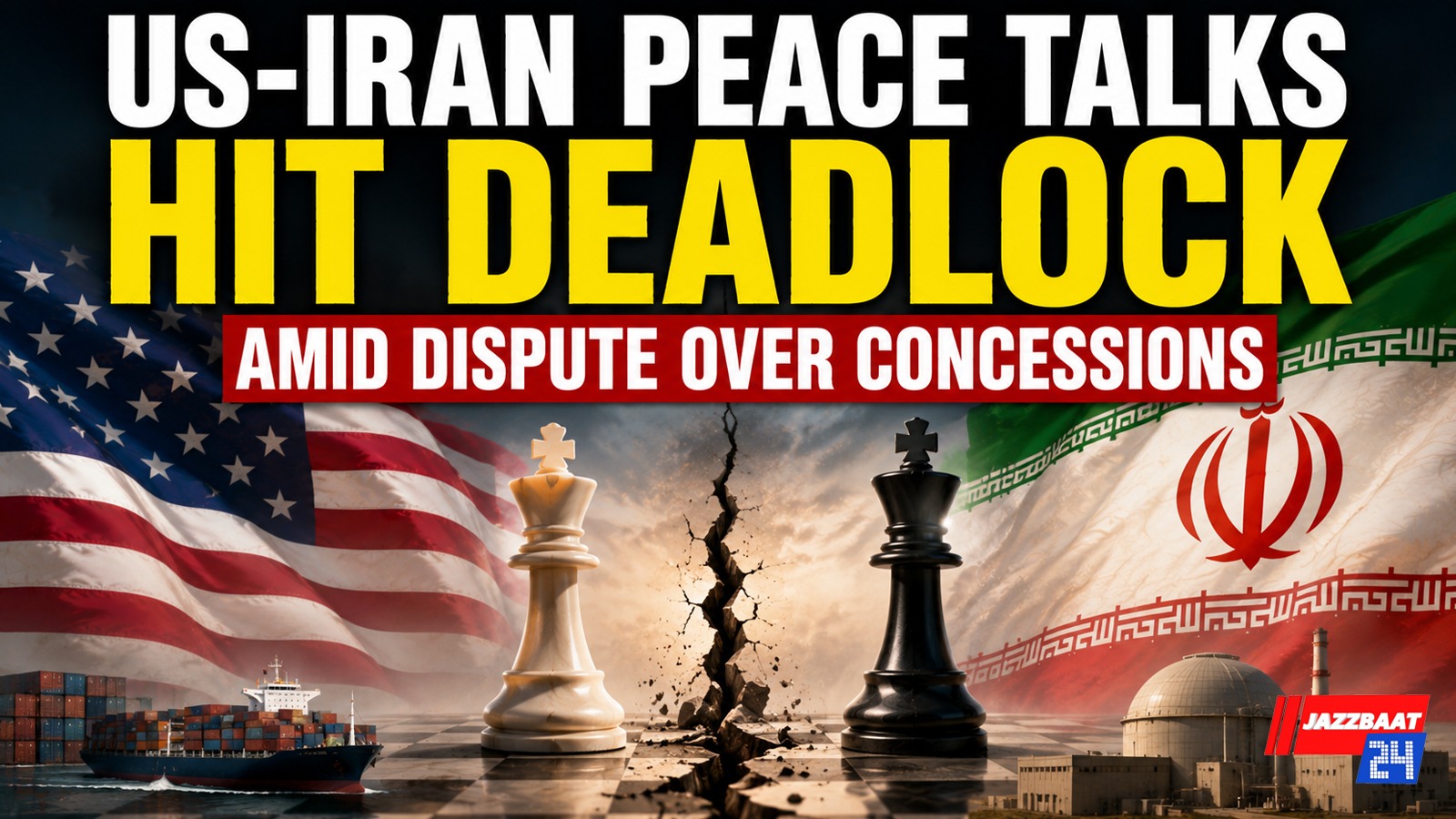
Fresh diplomatic efforts to end the ongoing conflict between the United States and Iran have run into a major deadlock after Iranian media claimed Washington failed to offer any “tangible concessions” in response to Tehran’s latest peace proposal.
According to reports emerging from Iran, the United States responded with a five-point framework that included strict conditions on Tehran’s nuclear programme. The proposal reportedly demanded that Iran keep only one nuclear facility operational and transfer its stockpile of highly enriched uranium to the United States.
Iranian media also alleged that Washington refused to release a significant portion of Iran’s frozen foreign assets or discuss compensation for damage caused during the conflict that began earlier this year. Tehran reportedly viewed the response as heavily one-sided and lacking meaningful compromise.
The diplomatic friction comes after Iran submitted its own blueprint for de-escalation, which called for an end to military operations on all fronts, removal of sanctions, release of frozen Iranian assets, and lifting of the US naval blockade around Iranian ports. Tehran also insisted on maintaining control over the strategic Strait of Hormuz, a critical global energy route that has remained at the centre of tensions during the conflict.
Iranian officials and state-linked media warned that the current approach could collapse negotiations entirely. One report stated that the United States was attempting to secure through diplomacy what it had failed to achieve militarily, increasing the possibility of a prolonged stalemate.
Meanwhile, the United States has continued to stress that preventing Iran from advancing its nuclear capabilities remains a non-negotiable red line. American officials have maintained pressure on Tehran over uranium enrichment and regional security concerns while also exploring diplomatic channels to avoid renewed large-scale military escalation.
The collapse of momentum in the negotiations has heightened fears of renewed instability across the Middle East. Regional tensions remain high, with concerns over energy security, shipping routes, and the fragile ceasefire continuing to dominate international attention.