
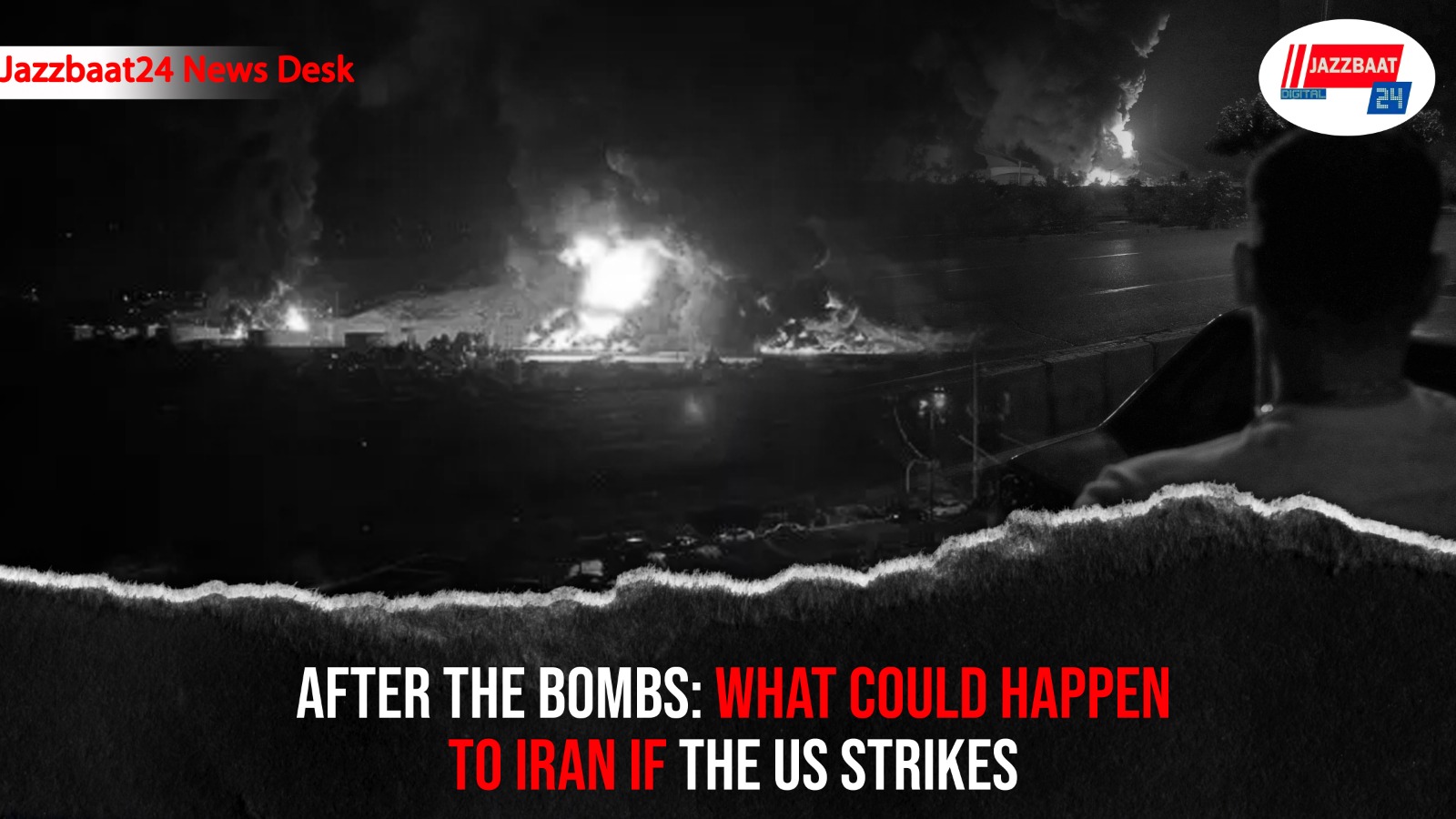
Tensions between the United States and Iran have sharply escalated after US President Donald Trump warned Tehran of severe consequences if it fails to reach a nuclear agreement. Iranian officials, while expressing openness to talks, insist negotiations must be on what they call “mutually beneficial, fair and equitable” terms. At the same time, Iran’s leadership has adopted a defiant tone, with senior figures saying their armed forces are on high alert and ready to respond to any aggression.
Security analysts outline several possible scenarios if the standoff turns into open conflict.
One optimistic outcome could see US military action weakening Iran’s ruling system enough to trigger its collapse. Targeted strikes on the Islamic Revolutionary Guard Corps (IRGC), missile facilities, and nuclear-related infrastructure could intensify internal pressure on a regime already strained by sanctions and domestic unrest. In theory, this could open a path to democratic change. However, past interventions in Iraq and Libya show that regime change does not automatically lead to stability.
Another possibility is that Iran survives but with constraints. Under sustained pressure, Tehran might be forced to scale back support for regional militias, curb parts of its nuclear and missile programmes, and ease internal repression, while the core system remains intact. Given Iran’s long history of resisting external pressure, many experts see this as difficult to achieve.
A more hardline outcome could also emerge. US strikes might weaken civilian leadership and empower a military-dominated state, with the IRGC playing an even greater role in governing the country.
Iran could also choose direct retaliation. It has a large stockpile of missiles and drones and could target US bases in the Gulf or regional infrastructure, raising fears among US allies. Another major risk is disruption in the Strait of Hormuz, a vital global energy corridor, if Iran lays mines or interferes with shipping.
In the worst-case scenario, the fall of the regime could plunge Iran into chaos, triggering civil conflict, regional instability, and a major humanitarian crisis affecting millions.