
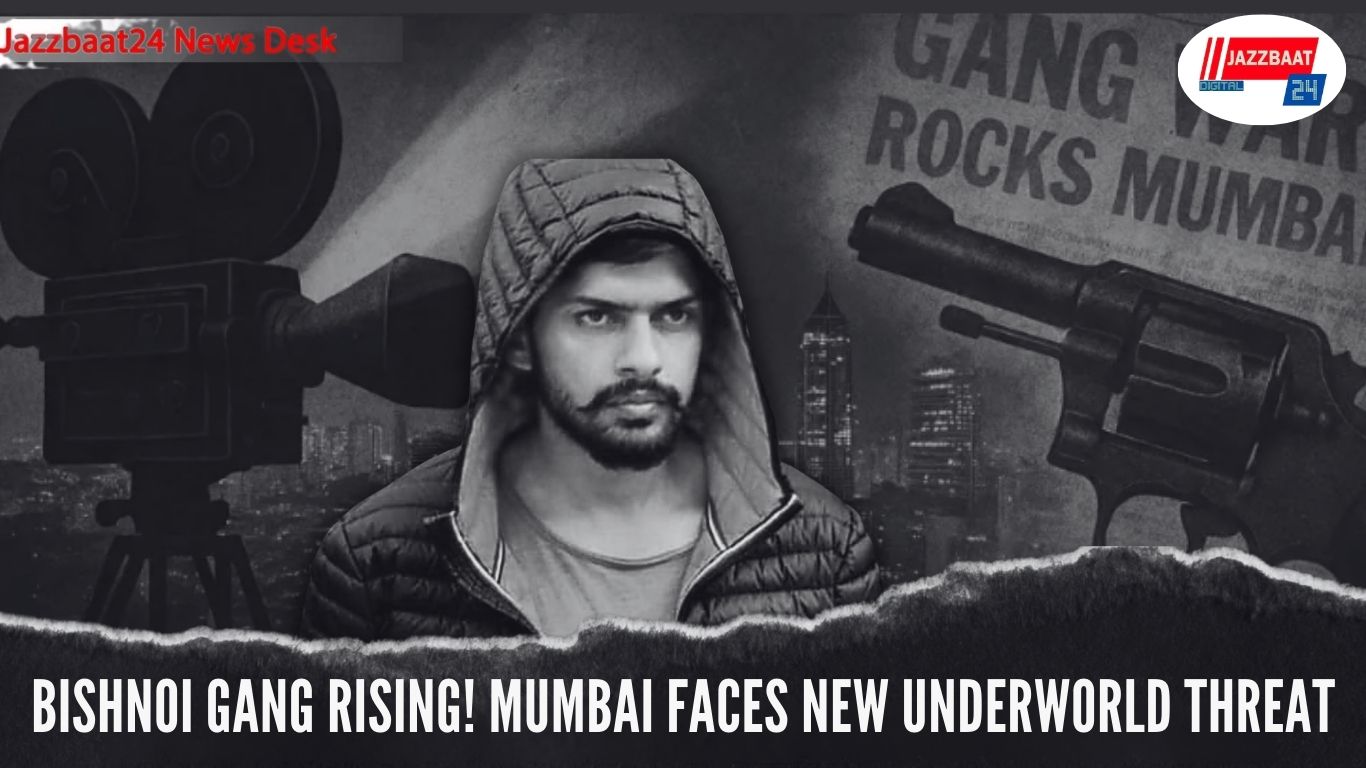
The city that once breathed easy after decades of gang wars is now confronting the resurgence of organized crime, led by Lawrence Bishnoi. For over a decade, Mumbai enjoyed relative calm as notorious gangsters like Dawood Ibrahim, Chhota Rajan, Arun Gawli, and Abu Salem either stepped back, were imprisoned, or neutralized. Smaller figures such as Ravi Pujari had also been taken out of circulation, creating a temporary vacuum in the city’s criminal landscape.
Recent incidents, however, indicate that this void is being filled. Over the past 18 months, high-profile attacks, including firing outside actor Salman Khan’s residence, the assassination of NCP MLA Baba Siddique, and the shooting outside filmmaker Rohit Shetty’s home—have highlighted the expanding influence of the Bishnoi gang. Despite Lawrence Bishnoi being incarcerated, his network continues to operate from jail, recruiting local youth and extending its reach across Maharashtra.
Experts note that Bishnoi’s gang is using a strategy reminiscent of the 1990s underworld: symbolic attacks on prominent figures, threats on social media, and projecting ideological colors to create psychological dominance. This approach mirrors the early tactics of Chhota Rajan and Ravi Pujari, who used similar methods to establish fear and legitimacy.
Mumbai’s police face a new challenge. Unlike the earlier generation of officers familiar with the old networks, today’s forces must tackle decentralized gangs operating with global contacts and digital strategies. Rebuilding informer networks and recognizing evolving patterns of crime will be crucial to preventing a repeat of the violent gang wars that once plagued the city.
As Mumbai watches closely, the question remains: can law enforcement stop this emerging underworld before it consolidates power, or is the city poised for another era of gang-led fear?