China's J-15 fighter jet recently made headlines after locking its targeting radar on Japanese aircraft twice, prompting strong diplomatic protests from Tokyo. But the aircraft's origins tell a fascinating Cold War tale involving Ukraine, unfinished Soviet prototypes, and Chinese reverse engineering.
The J-15 Flying Shark, China's primary carrier-based fighter, stems from a 2001 acquisition of an incomplete Su-33 prototype from Ukraine. Chinese engineers reverse-engineered the design, launching their own version in 2009. The fighter now operates from China's carriers and has evolved into several variants, including the advanced J-15B with upgraded radar systems and the catapult-capable J-15T designed for electromagnetic launch systems.
Despite its capabilities, the J-15 faces significant challenges. Early models suffered from unreliable Russian engines, though newer variants use Chinese-made alternatives. The aircraft is exceptionally heavy at 38,000 pounds empty weight, considerably more than comparable American fighters. A crash during training exercises this year renewed criticism, with some analysts dismissing it as a costly liability. China also struggles with a shortage of qualified naval pilots to operate its expanding carrier fleet.
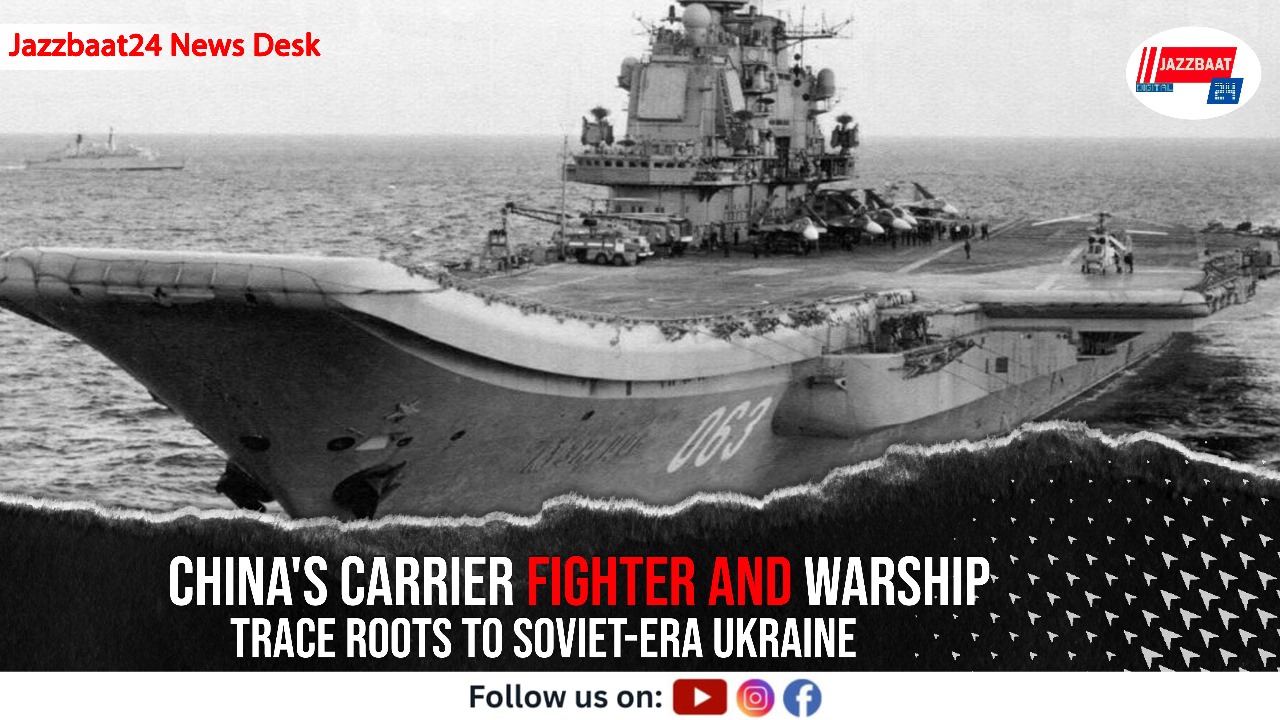
The story of China's first carrier, the Liaoning, is equally remarkable. Originally a Soviet Kuznetsov-class vessel named Varyag, the unfinished ship sat deteriorating in a Ukrainian shipyard after the Soviet collapse. In 1998, Chinese military officers orchestrated an elaborate scheme where businessman Xu Zengping purchased the 55,000-ton hulk for $20 million, ostensibly to convert it into a floating casino. After years of delays and diplomatic obstacles, the carrier finally reached China in 2002. Following extensive refurbishment in Dalian, it was commissioned as Liaoning in 2012.
Japanese Defence Minister Shinjiro Koizumi called the recent radar-locking incident "dangerous and extremely regrettable," highlighting growing tensions in the region. The J-15 will remain China's primary carrier fighter until the newer stealth J-35 gradually enters service in the late 2020s.