
The Delhi government is preparing to roll out Electric Vehicle (EV) Policy 2.0, an ambitious plan designed to accelerate the city’s shift away from petrol and diesel vehicles. Draft recommendations reviewed by the Transport Department propose higher consumer subsidies, strong support for local manufacturing, and major upgrades to power infrastructure to meet rising EV demand.
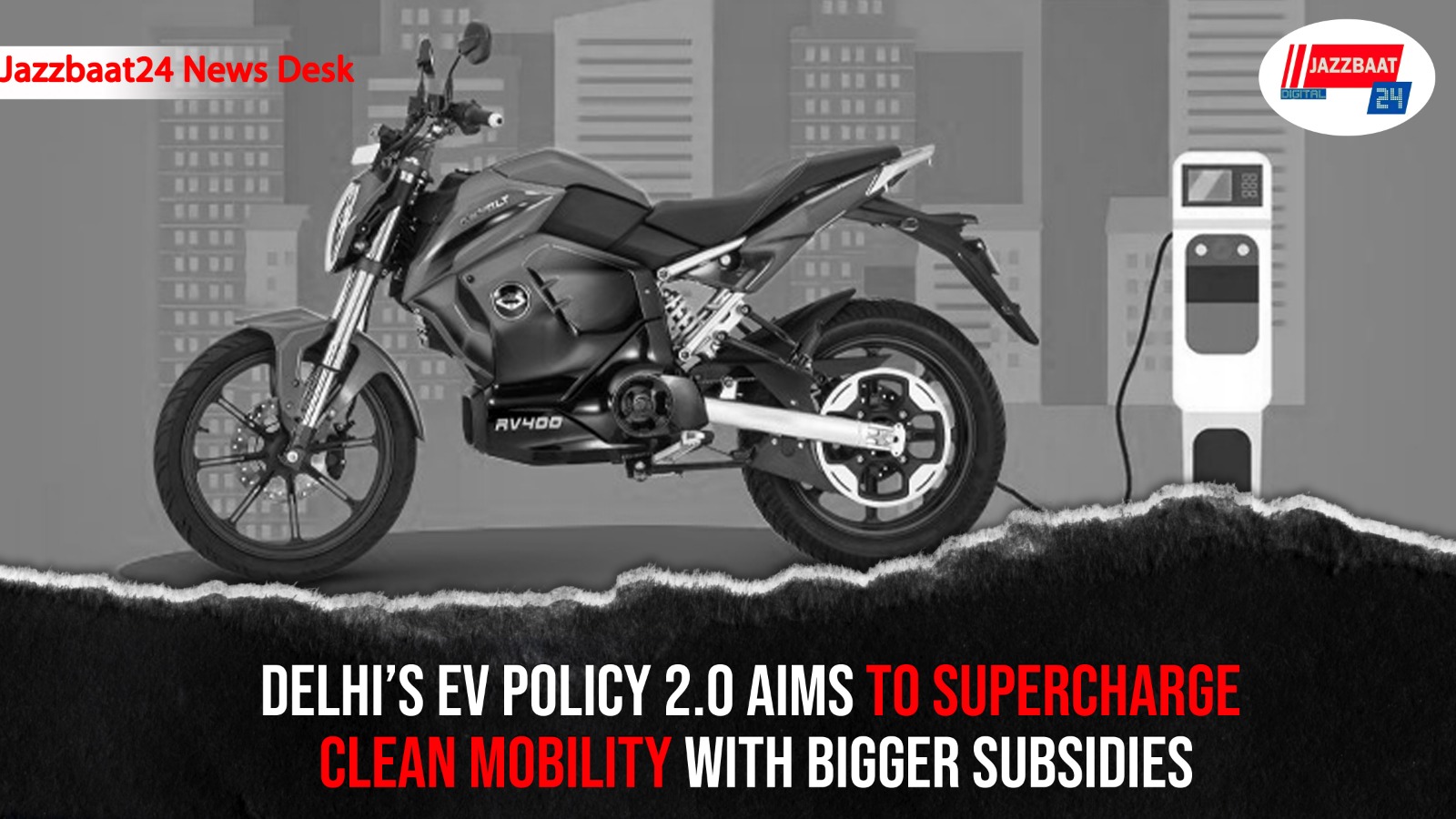
A key focus of the policy is electric two-wheelers, which form the backbone of urban mobility in Delhi. Under the draft, buyers of electric scooters could receive a subsidy of up to ₹21,000 per vehicle, while women riders may get a higher incentive of ₹30,000. The government has also set an aggressive adoption target, aiming to increase the number of electric two-wheelers from the current 5 lakh to 12 lakh within the next three years.
Electric cars are also set to benefit. The policy proposes incentives for private EVs priced below ₹25 lakh, offering ₹10,000 per kWh of battery capacity, capped at ₹1 lakh per vehicle, for the first 27,000 registrations. Officials say the move is meant to encourage mass-market adoption rather than premium car purchases.
For the first time, the draft policy includes incentives for retrofitting existing petrol and diesel cars to electric power. A subsidy of ₹50,000 is proposed for the first 1,000 such conversions. In addition, scrapping incentives are planned to encourage owners of old, polluting vehicles to switch to cleaner alternatives.
To address affordability, the government is considering a 5 per cent interest subsidy on EV loans, easing the burden for middle-income households and small fleet operators. The policy also backs local manufacturing, proposing incentives for companies producing EV components in Delhi.
On the infrastructure front, the plan includes adding 2.5 GWh of battery energy storage capacity by 2030, ensuring reliable power supply as EV adoption rises. Officials believe EV Policy 2.0 could mark Delhi’s most decisive push yet towards clean and sustainable mobility.