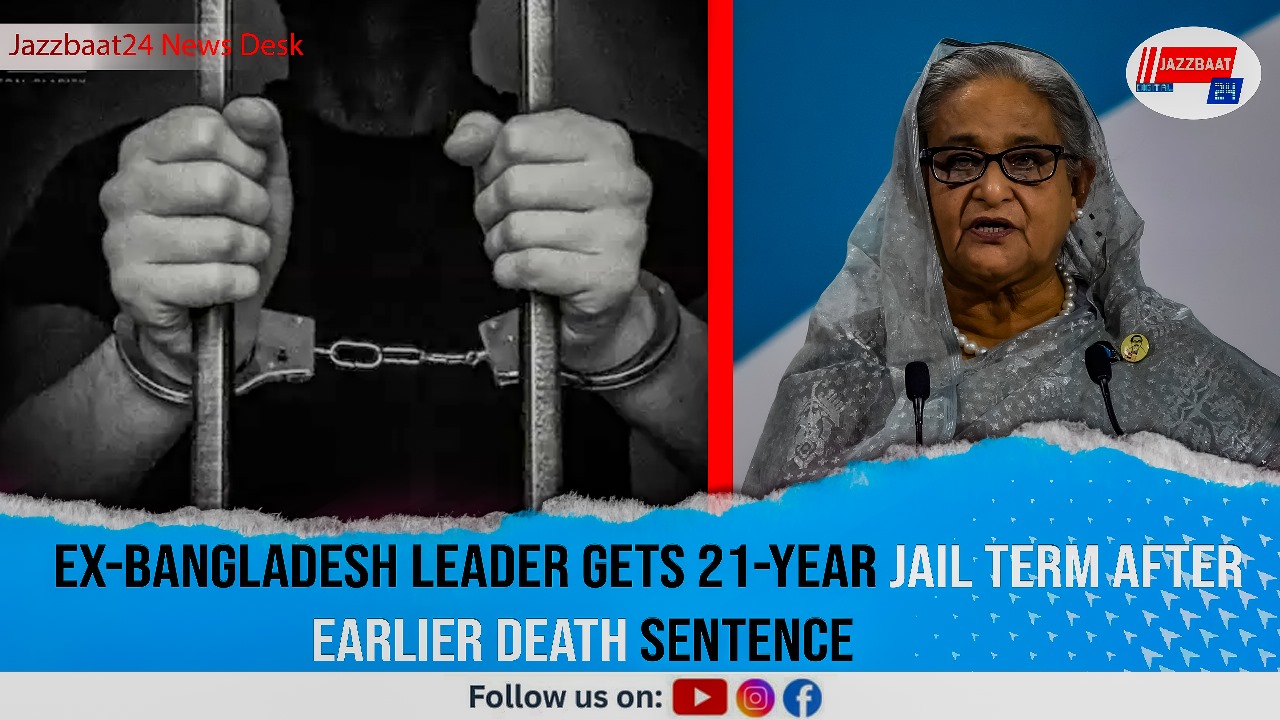
A Bangladeshi court has sentenced former prime minister Sheikh Hasina to 21 years in prison, marking a dramatic turn in the country’s political landscape just over a year after she fled Bangladesh amid mass protests and a military-backed transition. The verdict, delivered on Wednesday in Dhaka, relates to corruption and abuse-of-power charges tied to decisions taken during her 15-year rule.
Hasina, who has lived in exile in New Delhi since August 2024, was tried in absentia. She had earlier been handed a death sentence in a separate case concerning alleged extrajudicial activities, a ruling her party and supporters described as politically motivated. The latest judgment intensifies the legal pressure on the former leader, even as international rights groups continue to question the transparency and independence of Bangladesh’s current judicial processes.
According to the court, Hasina and close associates were involved in irregularities in the awarding of public contracts, causing significant financial losses to the state. Prosecutors argued that the new punishment reflects “a pattern of systemic corruption,” while opposition figures insisted the ruling is necessary to “restore accountability” after years of concentrated power.
Supporters of the former prime minister condemned the judgment, claiming that the charges were framed to prevent her political return. The Awami League, weakened since her departure, called the verdict “vindictive” and urged regional partners to ensure her safety in exile.
The government, currently led by an interim administration supported by the military, maintained that the legal process was impartial. Officials said the ruling demonstrates the country’s commitment to addressing wrongdoing “regardless of position or influence.”
With political uncertainty still gripping Bangladesh, the future of Hasina’s party and the timeline for elections remain unclear. Diplomats in the region warn that the escalating legal battles could deepen divisions and complicate efforts to stabilize the nation’s democratic institutions.