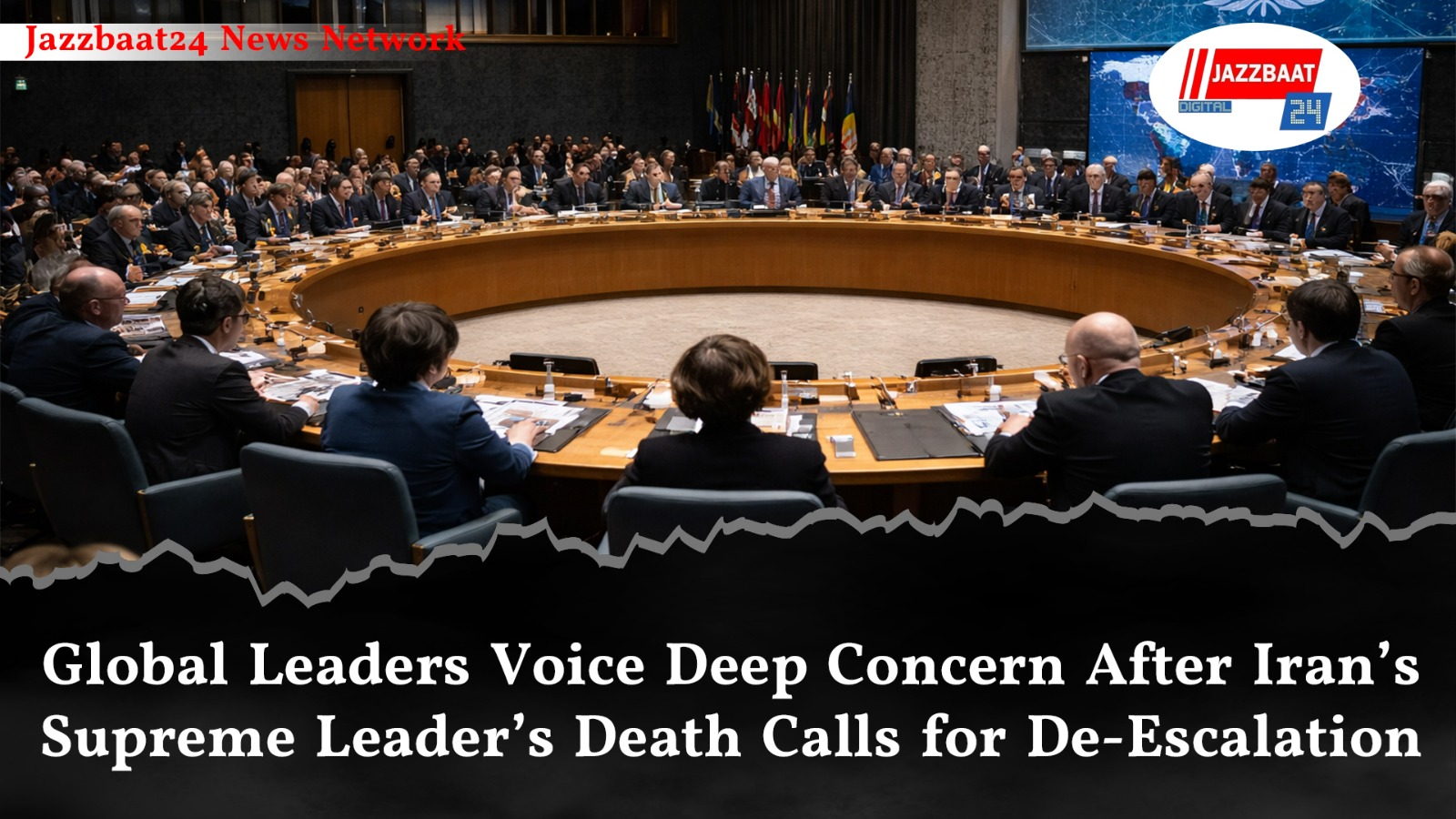
World leaders and international organisations have reacted strongly following the reported death of Iran’s Supreme Leader, Ayatollah Ali Khamenei, in joint United States–Israel military strikes, with many expressing alarm over regional stability and urging an end to violence.
Russia condemned the killing as a “cynical murder” and a violation of international law, offering condolences to Tehran and stressing that Khamenei was an influential figure in bilateral ties. President Vladimir Putin warned of dangerous consequences if conflict escalates further.
China similarly criticised the strikes as a serious breach of Iran’s sovereignty and international norms, urging an immediate halt to military operations and a return to diplomatic talks to prevent broader war. Its foreign ministry called the killing “unacceptable” and urged citizens in the region to leave due to safety concerns.
Among European nations, the response has been cautious but concerned: the European Union’s foreign policy chief described the moment as a defining one for Iran’s future, highlighting uncertainty ahead and stressing the need for de‑escalation and regional dialogue. The UK emphasised protecting civilians and military personnel amid tense exchanges.
In the Middle East, countries including Morocco, Jordan and the UAE condemned Iranian attacks on U.S. bases, reflecting the wider fear of spill‑over conflict, while Oman described the U.S. action as violating international law and urged peaceful dispute resolution.
Across the globe, Malaysia’s prime minister called for an immediate, unconditional end to hostilities, and leaders in Australia, New Zealand and Singapore warned of wider consequences for energy security, regional stability and international law. Many urged both Tehran and Washington to resume diplomatic engagement rather than escalate conflict further.
Overall, the international reaction has been mixed, while some states condemn the strikes outright as unlawful aggression, others focus on de‑escalation and managing instability as tensions continue to rise.