
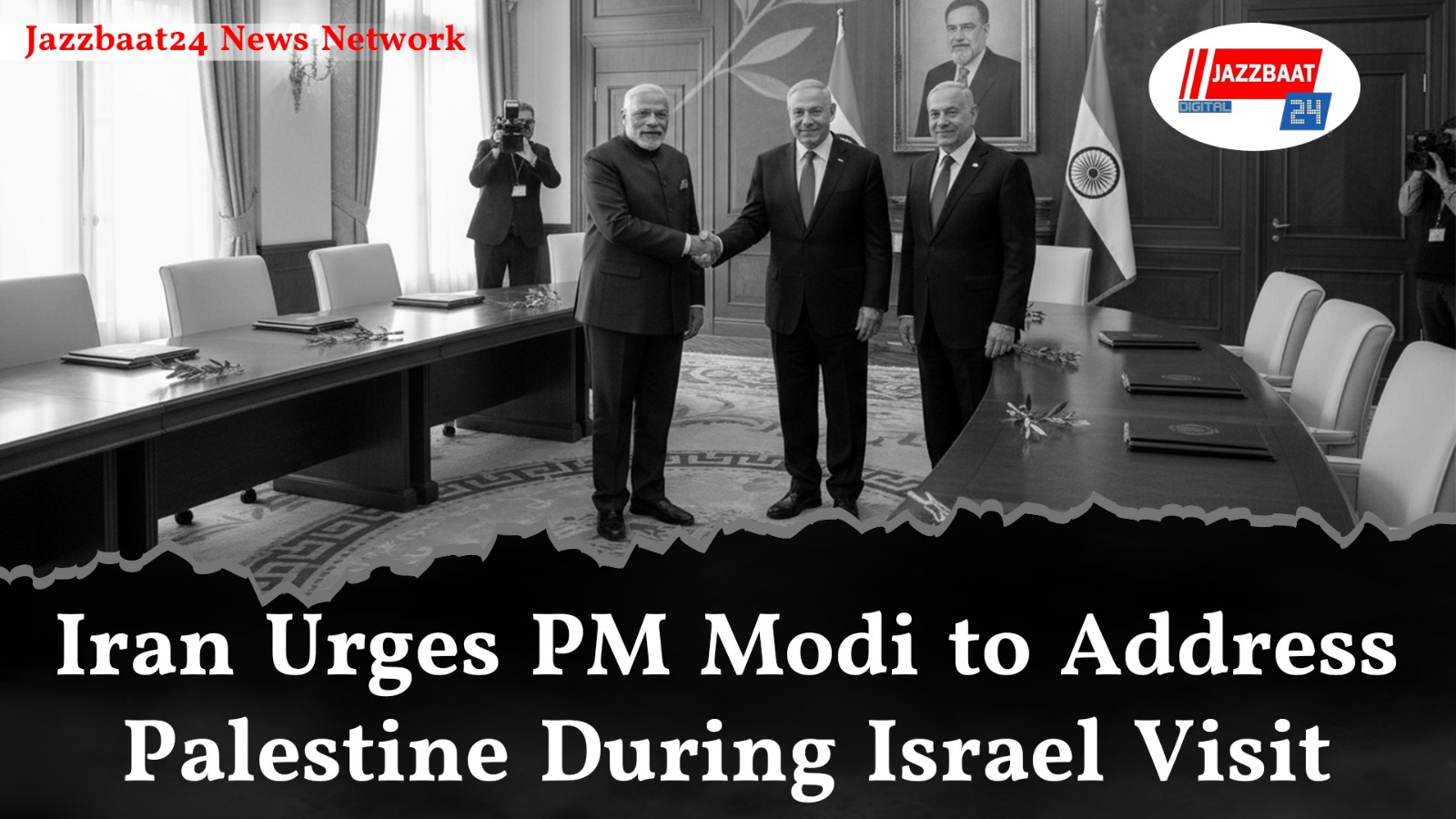
Iran’s Foreign Minister Abbas Araghchi has appealed to Narendra Modi to raise the issue of Palestinian rights during his ongoing official visit to Israel, while reiterating Tehran’s “strong and historic” ties with India.
In remarks made ahead of the two‑day visit, Araghchi sharp‑toned criticized Israel’s military actions in the Gaza Strip, describing the humanitarian situation there as tantamount to “genocide”. He urged Modi to use the diplomatic platform afforded by his visit to highlight the plight of the Palestinian people and their right to self‑determination. Araghchi said he did not consider it appropriate to engage with what he termed a “genocidal regime,” but hoped India as a long‑standing friend of Iran might “play its positive and constructive role to establish peace and stability in our region.”
Araghchi also took the opportunity to reaffirm bilateral relations between Iran and India, which he described as historic and encompassing economic, cultural, social and political cooperation. Pointing to personal rapport with India’s External Affairs Minister S. Jaishankar, he expressed confidence that ties would continue to grow despite differences over regional issues.
Prime Minister Modi’s visit comes amid one of the most delicate phases of Middle Eastern diplomacy in years. While New Delhi continues to deepen strategic ties with Israel, including cooperation on technology, defence and trade, it has also maintained a long‑standing policy supporting a negotiated two‑state solution for Israelis and Palestinians alike. In his address to the Knesset Israel’s Parliament Modi reiterated India’s support for regional peace and dialogue, saying the Gaza peace initiative offers a pathway to “a just and durable peace” for all people of the region, including by addressing the Palestine issue.
Iran’s appeal to India to raise the Palestinian issue highlights the complex balance New Delhi is attempting to strike in its foreign policy. Traditionally, India has supported both Israel and Palestine on diplomatic platforms, calling for de‑escalation and peaceful resolution. Tehran’s comments signal concern over the humanitarian impact of continuing conflict in Gaza and reflect wider regional tensions involving Israel, Iran and the broader Middle East.
Analysts say Modi’s engagement with Israeli leaders underscored by deepening cooperation in technology and security is being watched closely by other regional capitals, including Tehran. The Iranian foreign minister’s remarks underscore how the Palestinian question continues to shape diplomatic discourse around the visit, even as India seeks to balance its strategic interests with traditional positions on peace and stability in West Asia.