
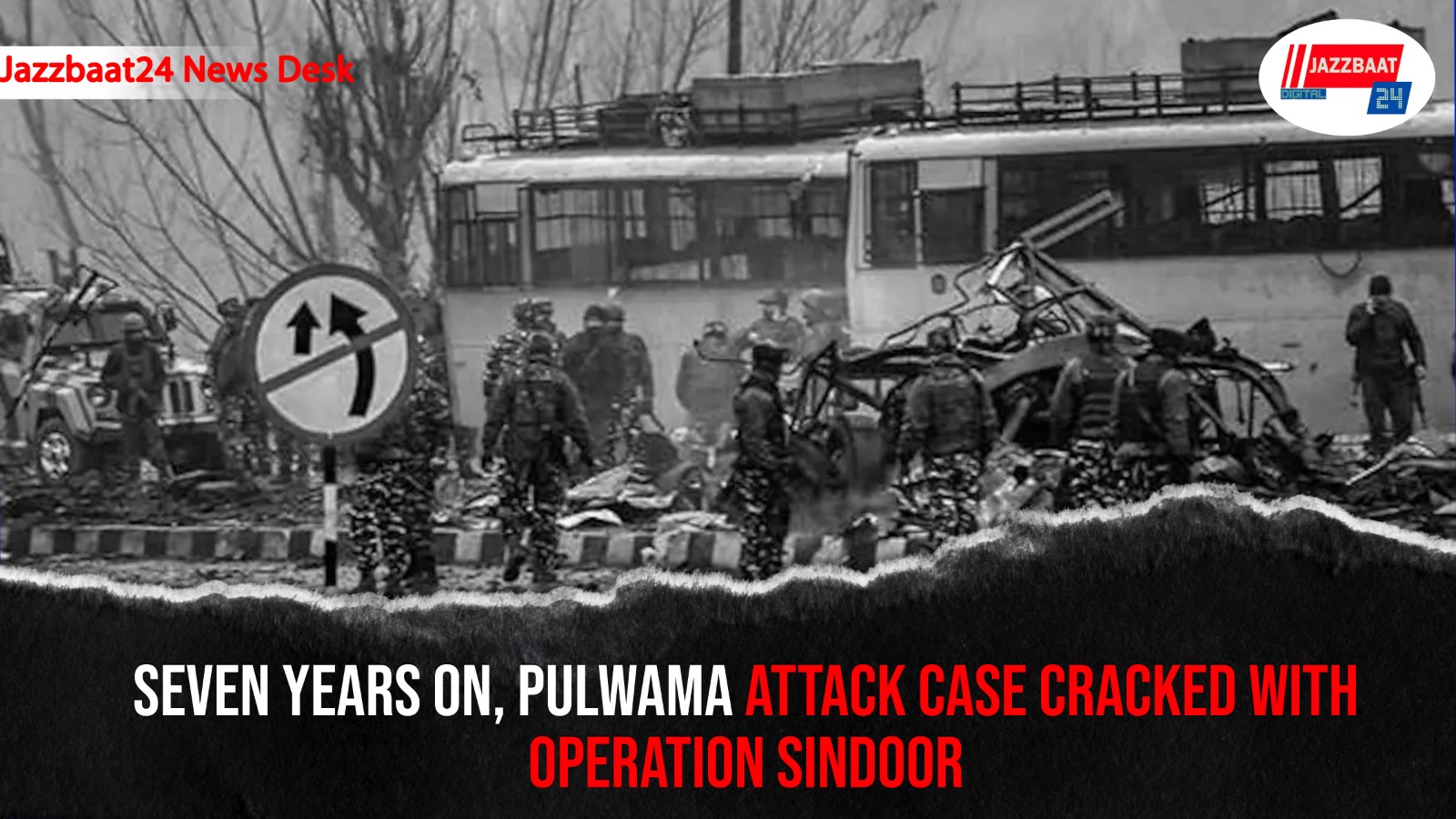
Seven years after the Pulwama terror attack, India has made significant strides in counter-terror operations, leaving Jaish-e-Mohammad (JeM) leaders, including Masood Azhar, in hiding. The February 14, 2019 attack, which killed 40 CRPF personnel, was orchestrated by 22-year-old JeM operative Adil Dar along with Masood Azhar’s brother Abdul Rauf Asghar and 17 others. The attack involved an IED-laden SUV targeting a CRPF convoy in Pulwama.
India’s approach shifted dramatically after the Uri attack in 2016, with a stronger focus on pre-emptive retaliation. Operation Sindoor, a recent strike, forced Jaish and Lashkar leaders into hiding, curbing Pakistan’s erstwhile safe haven for terror groups. Last year, India’s cruise missile strikes destroyed Jaish headquarters in Bhawalpur and Lashkar facilities in Muridke, sending a strong message that attacks on Indian civilians would be met with decisive action.
Investigations were complex. The National Investigation Agency (NIA) relied heavily on mobile phone evidence recovered from Mohammad Umar Farooq, a key planner killed post-attack. Data from two phones revealed pre-attack logistics, including reconnaissance by Shakir Bashir, procurement of explosives, and identification of vehicles and accomplices. Forensic analysis linked local operatives like Insha Jan and Bilal Kuchey to the plot. This digital and physical evidence ultimately led to multiple arrests and helped unravel the intricate network behind the attack.
Experts say the Pulwama bombing reshaped India’s counter-terror strategy. Prime Minister Narendra Modi’s subsequent abrogation of Article 370 disrupted terror and separatist networks in Jammu and Kashmir, while targeted operations like Balakot in 2019 demonstrated India’s resolve to strike deep inside enemy territory.
Seven years on, while Masood Azhar remains at large, India’s swift intelligence-led operations and technological tracking have limited his operational freedom, signaling a paradigm shift in counter-terror strategy and regional security enforcement.