
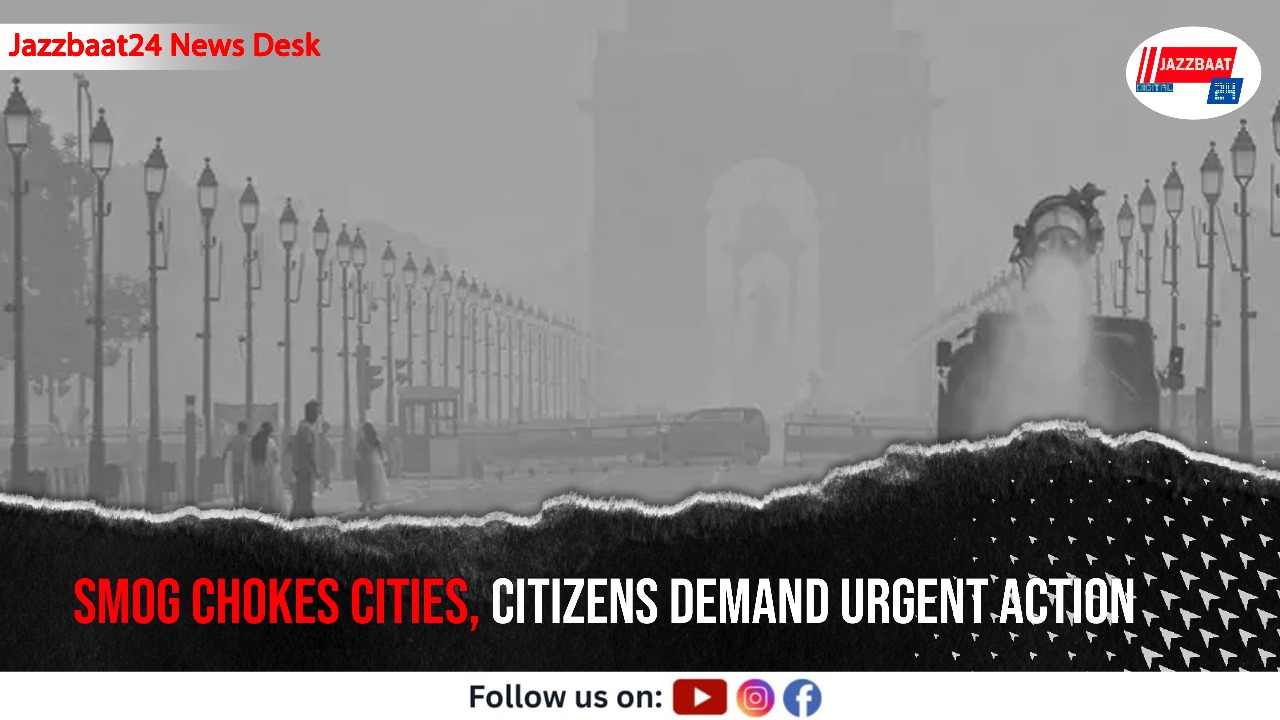
India’s major metropolitan cities are once again grappling with a thick blanket of smog as winter sets in, raising alarm over deteriorating air quality and its impact on public health. Delhi, Kolkata, and Mumbai reported Air Quality Index (AQI) levels well above hazardous limits this week, forcing schools to suspend outdoor activities and prompting health advisories from government agencies.
Experts attribute the worsening pollution to a combination of vehicular emissions, industrial output, and seasonal stubble burning in northern states. Despite repeated interventions, including bans on firecrackers and restrictions on construction dust, the measures appear insufficient to curb the crisis.
Doctors warn of a surge in respiratory illnesses, particularly among children and the elderly. Hospitals across Delhi have reported a rise in cases of asthma attacks, bronchitis, and eye irritation. “We are seeing patients struggling to breathe even indoors,” said Dr. Meera Sharma, a pulmonologist at AIIMS.
Citizens are voicing frustration over what they describe as “piecemeal solutions” from authorities. Environmental activists argue that stronger enforcement of emission norms and investment in clean energy are urgently needed. Meanwhile, the Supreme Court has sought a detailed action plan from state governments, signaling judicial pressure to address the issue.
As the haze thickens, the crisis underscores the urgent need for coordinated national policy. Without decisive action, experts warn, India risks facing not just seasonal smog but a long-term public health emergency.