The long-simmering tensions between Pakistan and Afghanistan have sharply escalated, with officials and media on both sides describing the situation as nearing “open war” following fresh cross-border strikes and heavy exchanges of fire along the volatile frontier.
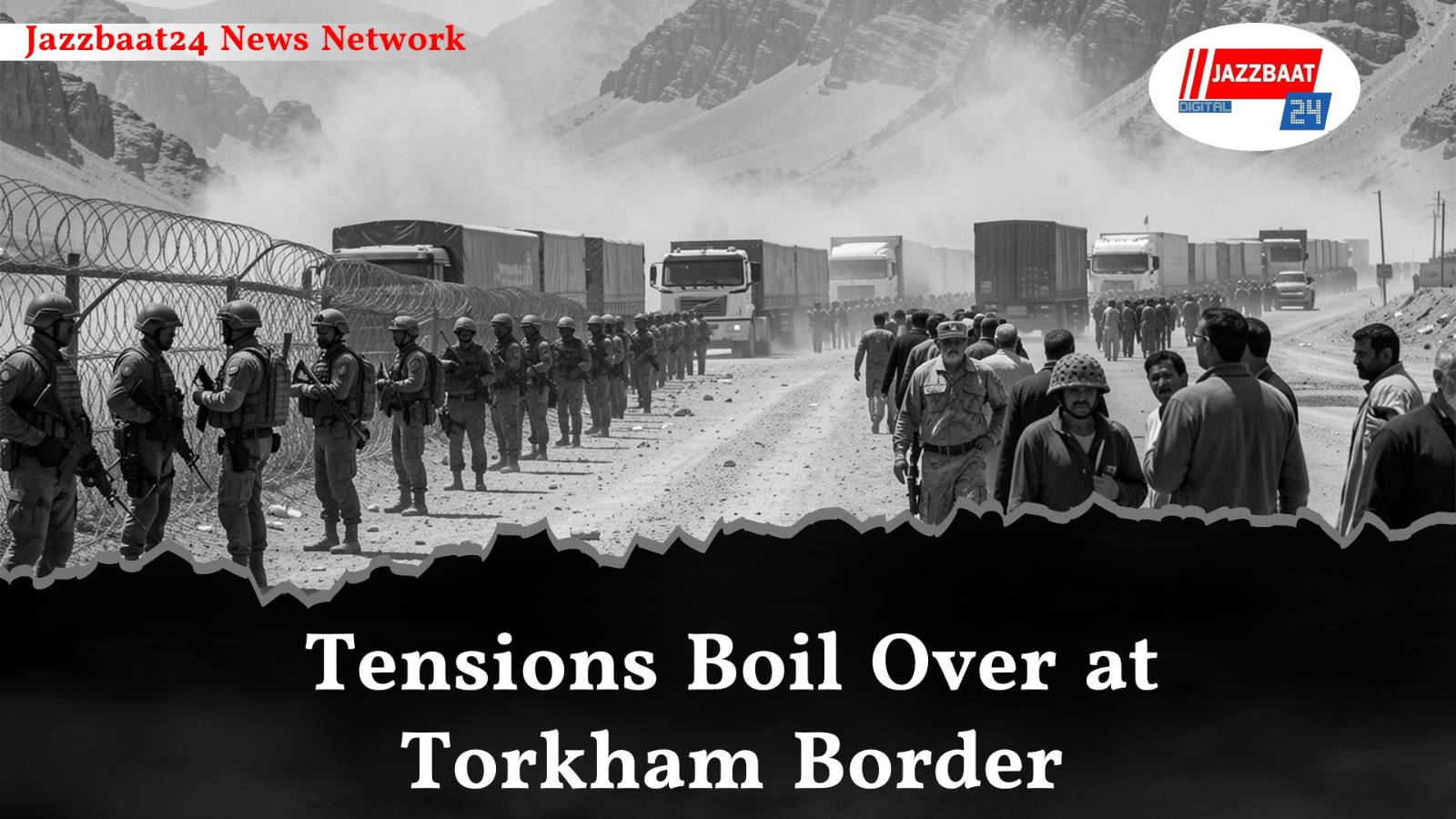
Clashes intensified near the strategically crucial Torkham crossing, one of the main trade and transit points between the two countries. According to security sources, artillery shelling and retaliatory strikes were reported over the past 48 hours, forcing the temporary closure of border gates and disrupting the movement of goods and civilians.
Islamabad has accused militant elements operating from Afghan territory of launching attacks inside Pakistan, claiming that recent cross-border operations were “targeted and defensive in nature.” Kabul, however, has condemned the strikes as a violation of its sovereignty and warned of consequences if such actions continue. Afghan authorities alleged civilian areas were affected, though independent verification remains limited due to restricted access in the conflict zone.
The rising hostility comes amid already fragile diplomatic ties. Since the return of the Taliban to power in Kabul in 2021, border management and the presence of armed groups have remained major sticking points between the two neighbours. Pakistan has repeatedly demanded stricter action against anti-Pakistan militant factions, while Afghanistan has pushed back against what it calls “unilateral aggression.”
Residents living along the border reported hearing continuous gunfire and explosions overnight. Local administrations on both sides have advised civilians to remain indoors, and emergency medical teams have been placed on alert. Trade convoys remain stranded, raising fears of economic losses if the standoff continues.
International observers have expressed concern that further escalation could destabilize the wider region. Analysts warn that sustained military engagement would not only strain already weak economies but also deepen humanitarian challenges in border districts that are heavily dependent on cross-border trade.
While both governments have signalled willingness to hold talks, no formal ceasefire announcement had been made at the time of reporting. Diplomatic channels are reportedly active, but ground-level tensions remain high.
As military posturing continues and rhetoric hardens, the prospect of a prolonged confrontation looms large leaving civilians caught between geopolitical fault lines and an uncertain path to de-escalation.