
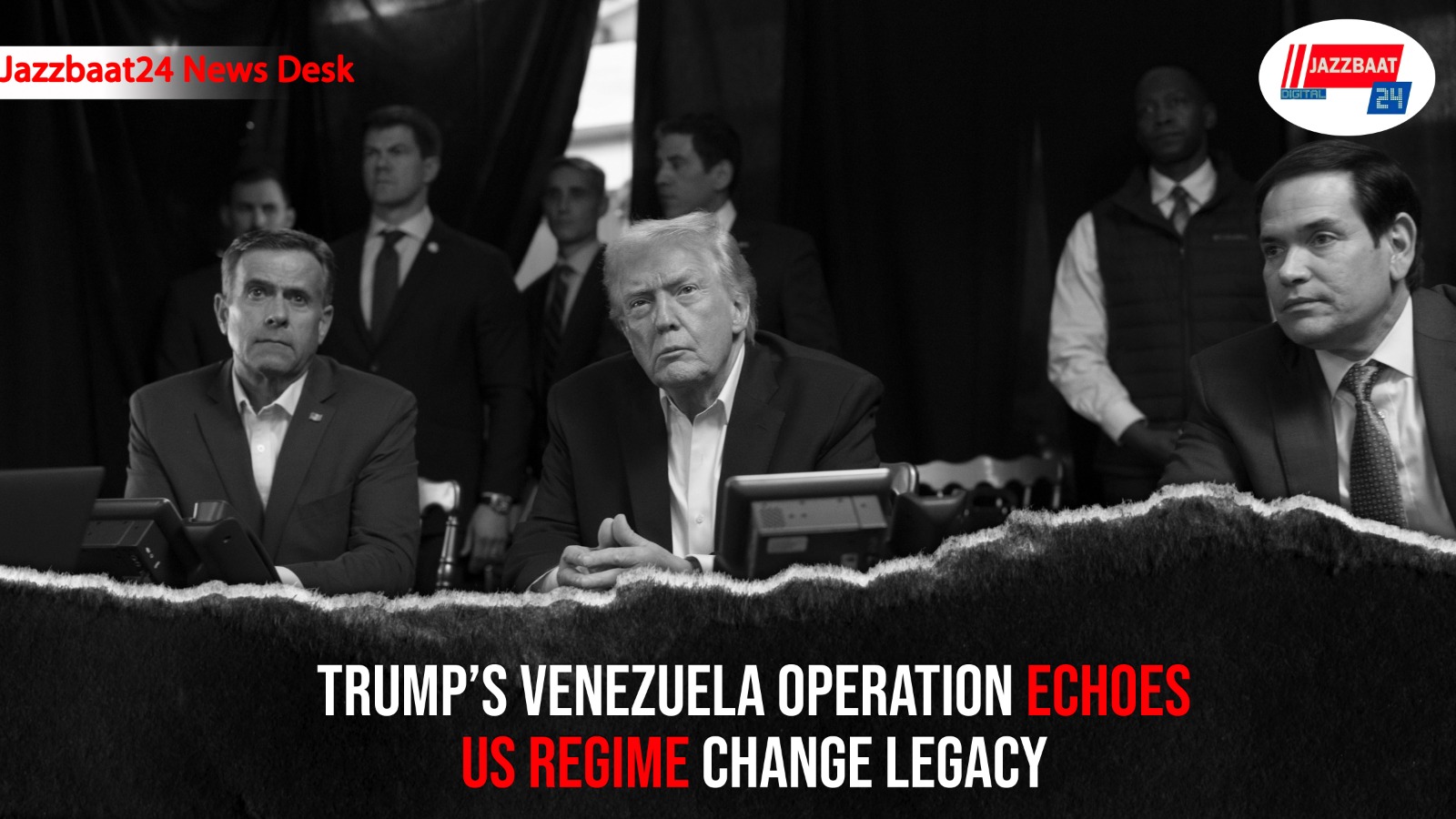
In a dramatic move, US President Donald Trump celebrated a military operation in Venezuela last Saturday that resulted in the capture of President Nicolás Maduro. The mission, involving special forces, air strikes, and naval deployments, succeeded tactically with no American casualties and Maduro taken into custody. However, the political ramifications for Trump are far more complex.
Trump’s foreign intervention contrasts sharply with his long-standing rhetoric opposing “endless wars.” He has repeatedly criticised the Iraq invasion as a disaster and branded himself a “peace President.” Yet, his Venezuela gambit marks a sudden pivot towards large-scale military engagement abroad, raising questions among voters who supported his anti-war stance.
The US has a long history of regime change, having forcibly removed around 35 foreign leaders over the past 120 years. Scholars note that nearly a third of such interventions trigger civil wars within a decade. Past examples, including Afghanistan and Iraq, demonstrate the dangers. In Afghanistan, the US-installed government under Hamid Karzai never secured legitimacy, facing corruption, factionalism, and heavy reliance on foreign troops, ultimately paving the way for the Taliban’s return. In Iraq, dismantling Saddam Hussein’s regime fueled sectarian conflict and created conditions for the rise of the Islamic State.
The Trump administration has framed Maduro as a transnational criminal, but its long-term strategy remains unclear. Whether Washington intends to install a new government, reorganise Venezuelan institutions, or oversee a transitional authority is yet to be defined. Historical patterns suggest that foreign-imposed regime changes rarely produce stable, lasting outcomes.
As the US flexes its military power, the operation in Venezuela serves as a stark reminder of the risks and uncertainties tied to interventions abroad, offering short-term tactical gains but potentially sowing long-term instability in an already volatile region.