
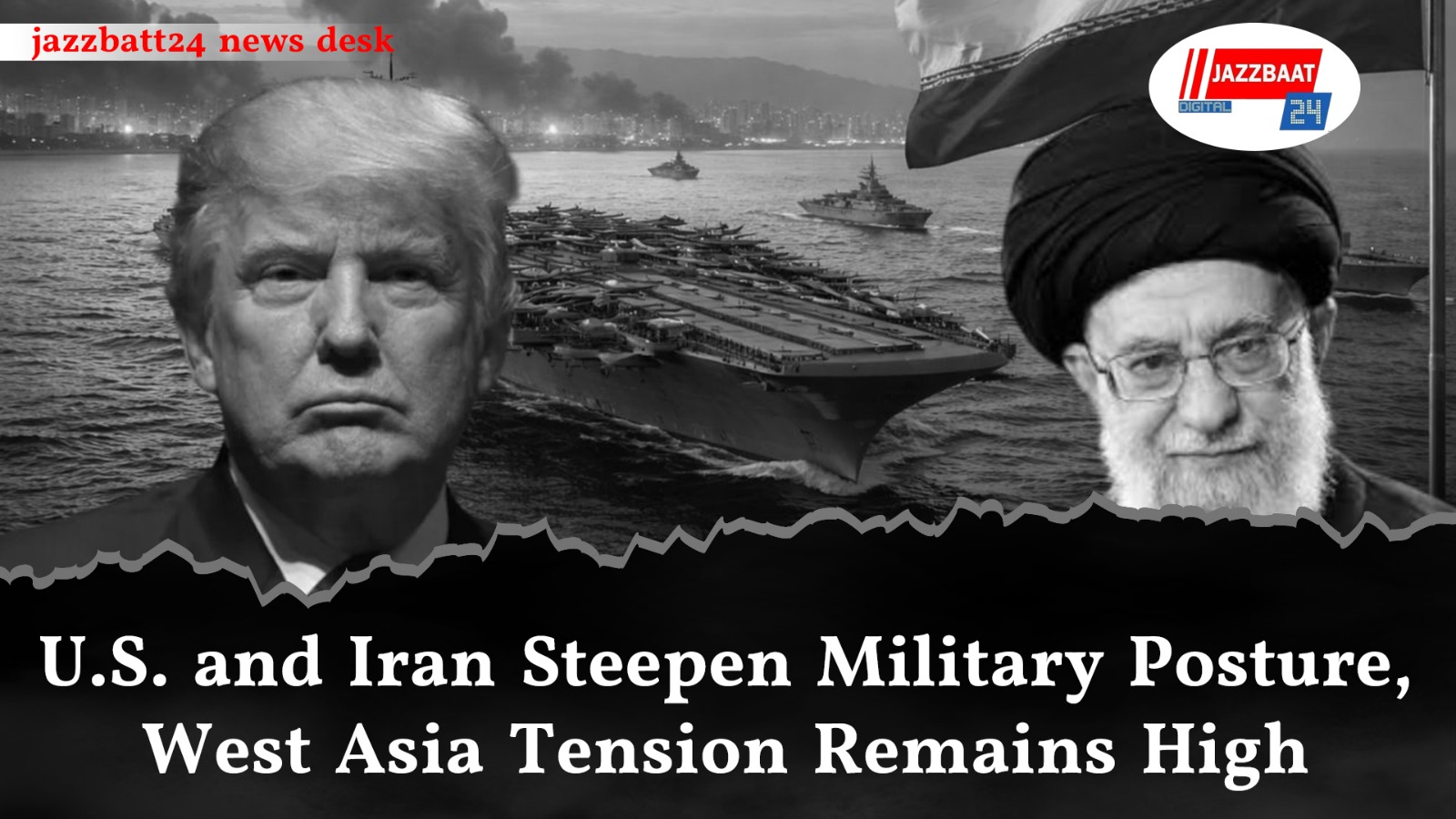
Tension across West Asia has intensified as both the United States and Iran bolster their military positions amid stalled nuclear talks and escalating diplomatic pressure. In recent days, Washington has significantly increased its regional presence, deploying dozens of advanced warplanes and key naval assets to strategic locations near Iran’s borders, a move signalling deterrence but also heightening fears of confrontation.
At the same time, Iran has responded by strengthening defensive measures around its own military bases, reinforcing shelters and continuing scheduled drills with allied forces. A recent satellite image review shows expanded fortifications at sensitive sites, underscoring Tehran’s intent to prepare for a range of contingencies.
Diplomatic efforts continue alongside these military shifts. U.S. officials and Iranian representatives have held indirect talks aimed at reviving nuclear negotiations, with the deadline for a breakthrough looming in the coming weeks. Despite engagement on these fronts, public statements from both capitals suggest deep mistrust and no immediate breakthrough in sight.
Allied reactions reflect global concern. A key partner state urged restraint from all parties, warning of an “unprecedented escalation” if military posturing continues without parallel diplomatic progress.
The latest developments come as global markets react to the uncertainty, with commodities like gold surging on investor anxiety over regional stability. Analysts say the next fortnight could be pivotal, with looming negotiation deadlines and each side under domestic pressure to avoid appearing weak.
For now, the strategic build-up persists, shaping a West Asia landscape where diplomatic negotiation and military readiness walk a delicate, tension-fraught line.