
As West Bengal stands on the edge of decision day, the air across the state feels unusually heavy charged not just with anticipation, but with doubt, memory, and an uneasy sense of history repeating itself. On May 4, counting of votes will begin at 8 AM across 77 centres, with early trends expected within hours and final results likely by evening.
But this is no ordinary election result day. It is a referendum on faith faith in democracy, in institutions, and perhaps most importantly, in the sanctity of the ballot box itself.
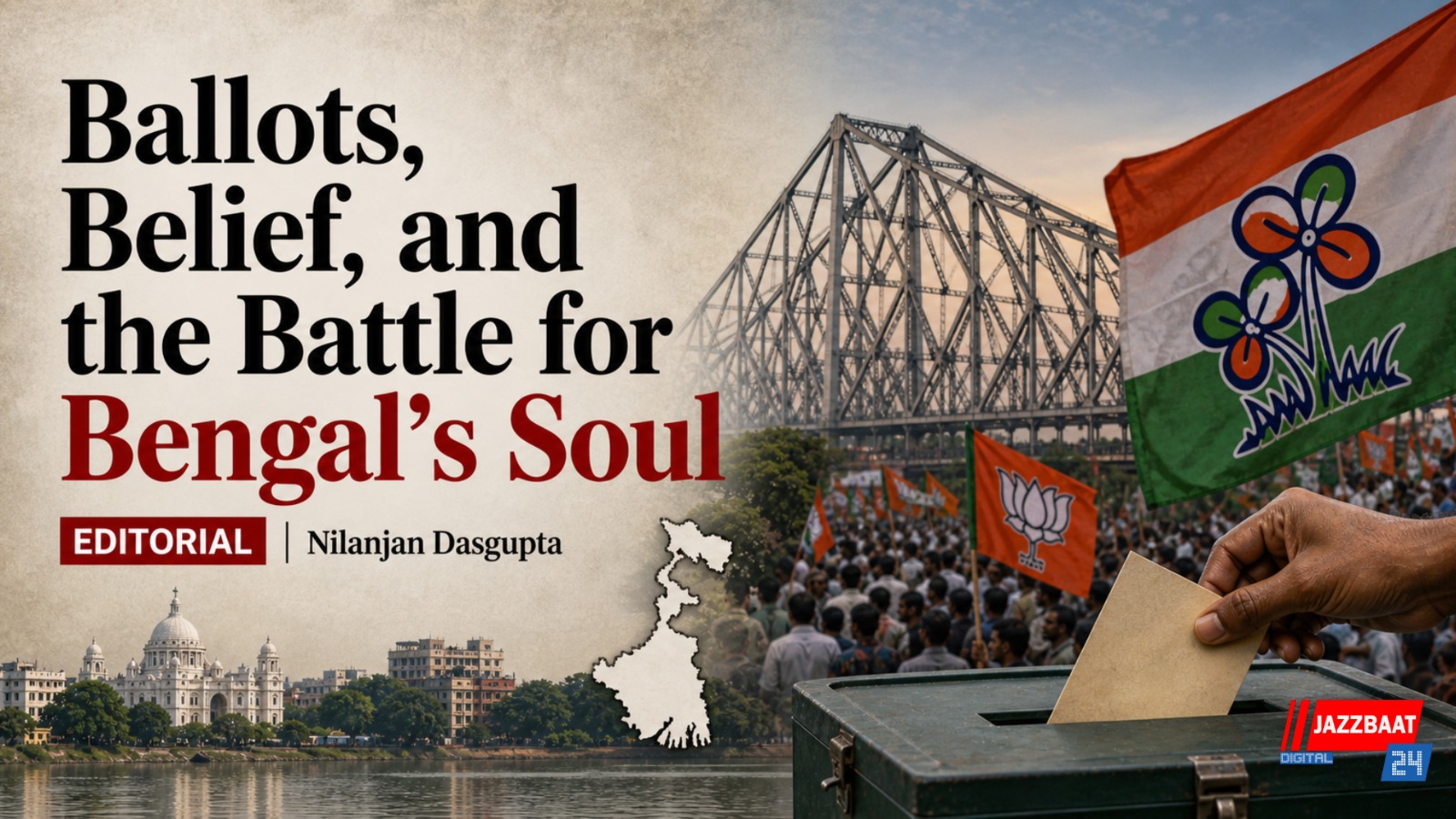
The 2026 West Bengal Assembly election has been fiercely contested between the ruling Trinamool Congress and a determined Bharatiya Janata Party, with both sides claiming momentum. Exit polls have painted a fractured picture some suggesting a BJP edge, others projecting a resilient TMC comeback underscoring just how razor-thin the margins could be.
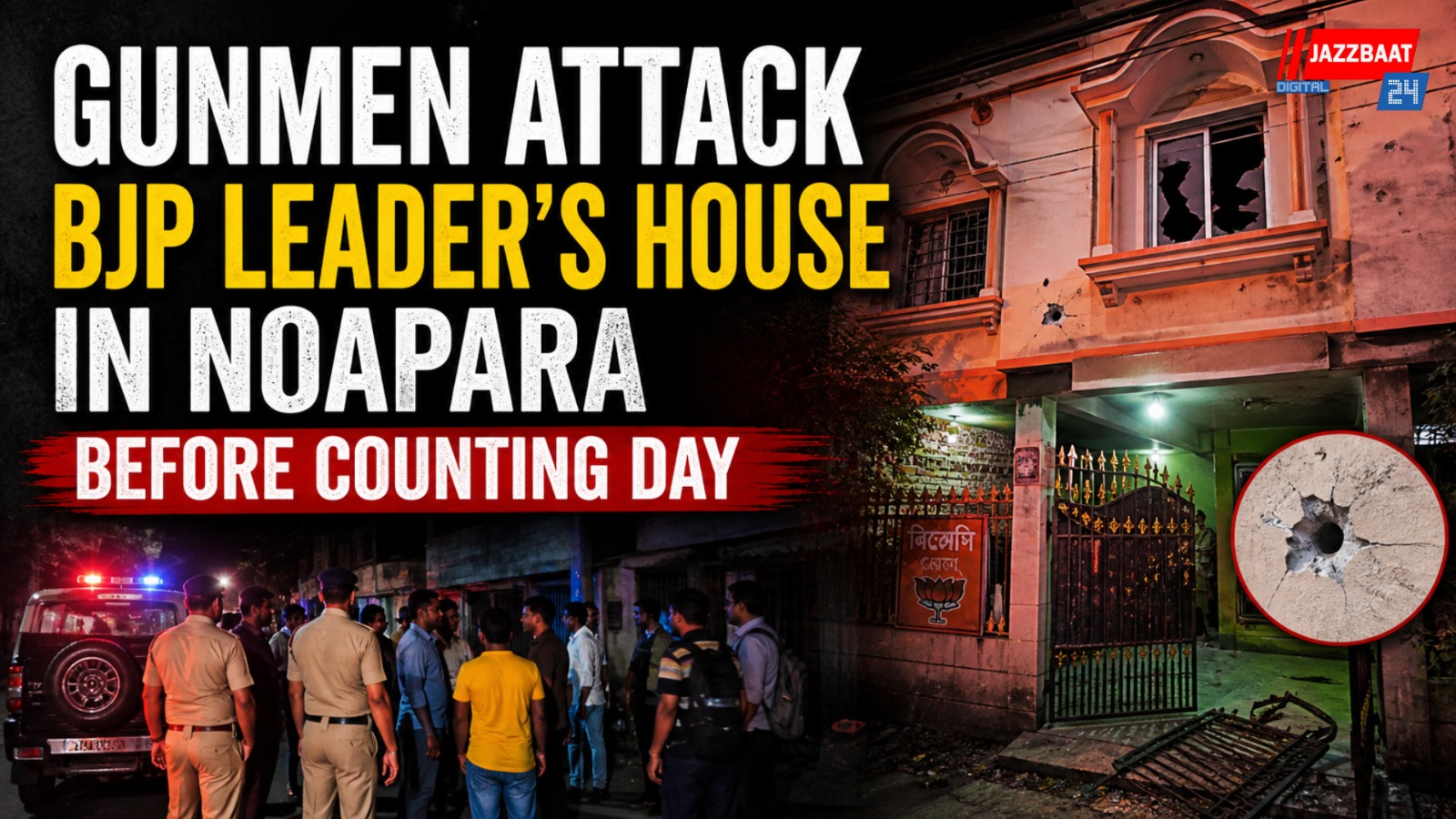
Yet, beyond numbers and seat projections, a deeper narrative has unfolded. Allegations of EVM tampering, strongroom irregularities, and administrative bias have dominated headlines in the run-up to counting day. The TMC has gone as far as calling it a “murder of democracy,” while the Election Commission has repeatedly denied any wrongdoing.
In response to mounting concerns, the Election Commission has attempted to reassure stakeholders, informing the Supreme Court that both central and state officials will jointly oversee the counting process to ensure neutrality.
Security has also been tightened, with innovations like QR-based identity cards for counting centres aimed at minimizing irregularities and enhancing transparency.
And yet, mistrust lingers.
Political leaders themselves seem aware of the fragile moment. Senior BJP leader Suvendu Adhikari has publicly called for peace, reminding supporters of the violence that marred the aftermath of the 2021 elections and urging restraint regardless of the outcome.
This appeal is telling. It reflects a shared anxiety that the verdict, instead of settling the contest, could ignite fresh tensions.
The stakes extend far beyond Bengal. Alongside four other states voting on the same day, this election is being viewed as a barometer of national political currents.
For the BJP, it is a chance to finally breach one of the last major regional strongholds. For Mamata Banerjee’s TMC, it is about survival, legacy, and reaffirming regional resistance.
But for ordinary citizens, the question is simpler and far more profound.
Does their vote still carry the weight it once did?
In tea stalls, marketplaces, and quiet living rooms across Bengal, conversations have shifted from “who will win” to “can we trust the process.” High voter turnout and intense campaigning suggest that people have not lost faith entirely but the cracks are visible.
And that is what makes May 4 more than just a counting day. It is a test of credibility.
If the process is smooth, transparent, and widely accepted, the result whoever wins will carry legitimacy. But if doubts persist, even victory may feel hollow, and defeat, incendiary.
Democracy does not survive on ballots alone; it survives on belief in those ballots.
As Bengal waits, the real verdict may not just be about seats or parties. It may be about whether the world’s largest democracy can still convince its people that their voice, once cast, remains sacred.