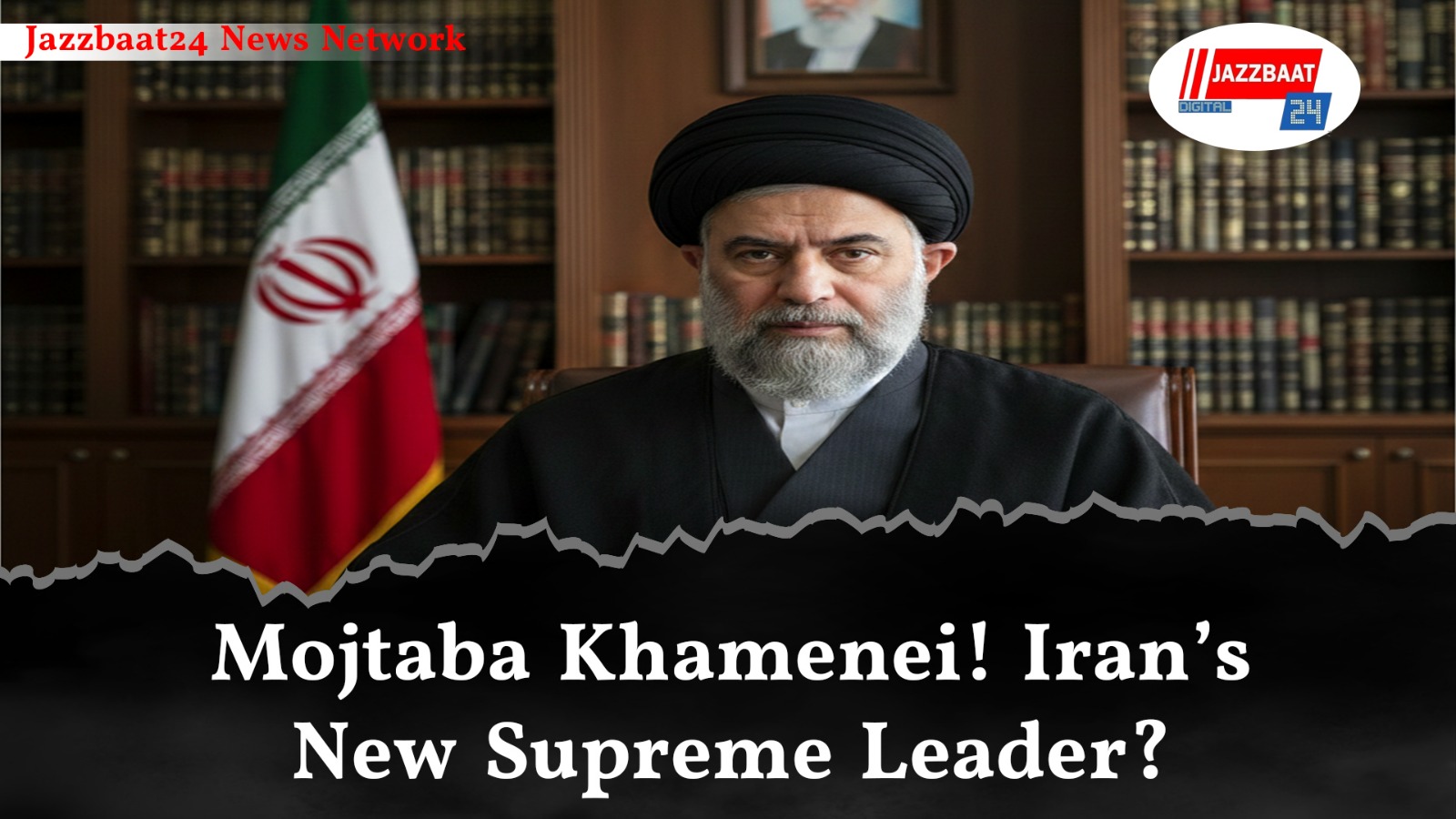
Amid the ongoing Middle East crisis following the death of Iran’s long‑time Supreme Leader Ayatollah Ali Khamenei, attention has turned to his second son, Mojtaba Khamenei, as a potential successor. While Iran’s state media confirmed Ayatollah Khamenei’s death after U.S.–Israel strikes, the leadership vacuum in Tehran has triggered intense debate about who will take the helm of the Islamic Republic.
Mojtaba Khamenei, aged around 56, is a cleric with strong ties to the Islamic Revolutionary Guard Corps (IRGC) and Iran’s security apparatus, known for his behind‑the‑scenes influence during his father’s rule. Though he has never served in a major government post, state‑linked sources have described him as a powerful figure within Iran’s political and clerical network and a possible contender for supreme leadership.
Under Iran’s constitution, the 88‑member Assembly of Experts, a clerical body, must select the next Supreme Leader a process that is typically secretive and not based on heredity. Despite speculation and reports claiming Mojtaba has been named the new head of state, official confirmation from Iranian authorities is still pending. Some analysts note that choosing a direct family member could break with tradition and spark controversy within Iran’s political and religious establishment.
Mojtaba’s background includes military involvement during the Iran–Iraq War and a reputation as a key advisor behind Khamenei’s decisions, especially in coordination with hard‑line elements. Observers say his potential rise reflects the complex power dynamics in Tehran, where influence often outweighs formal titles.
As Iran navigates its leadership transition amid conflict and uncertainty, global attention remains focused on how this pivotal moment will shape the country’s future direction.