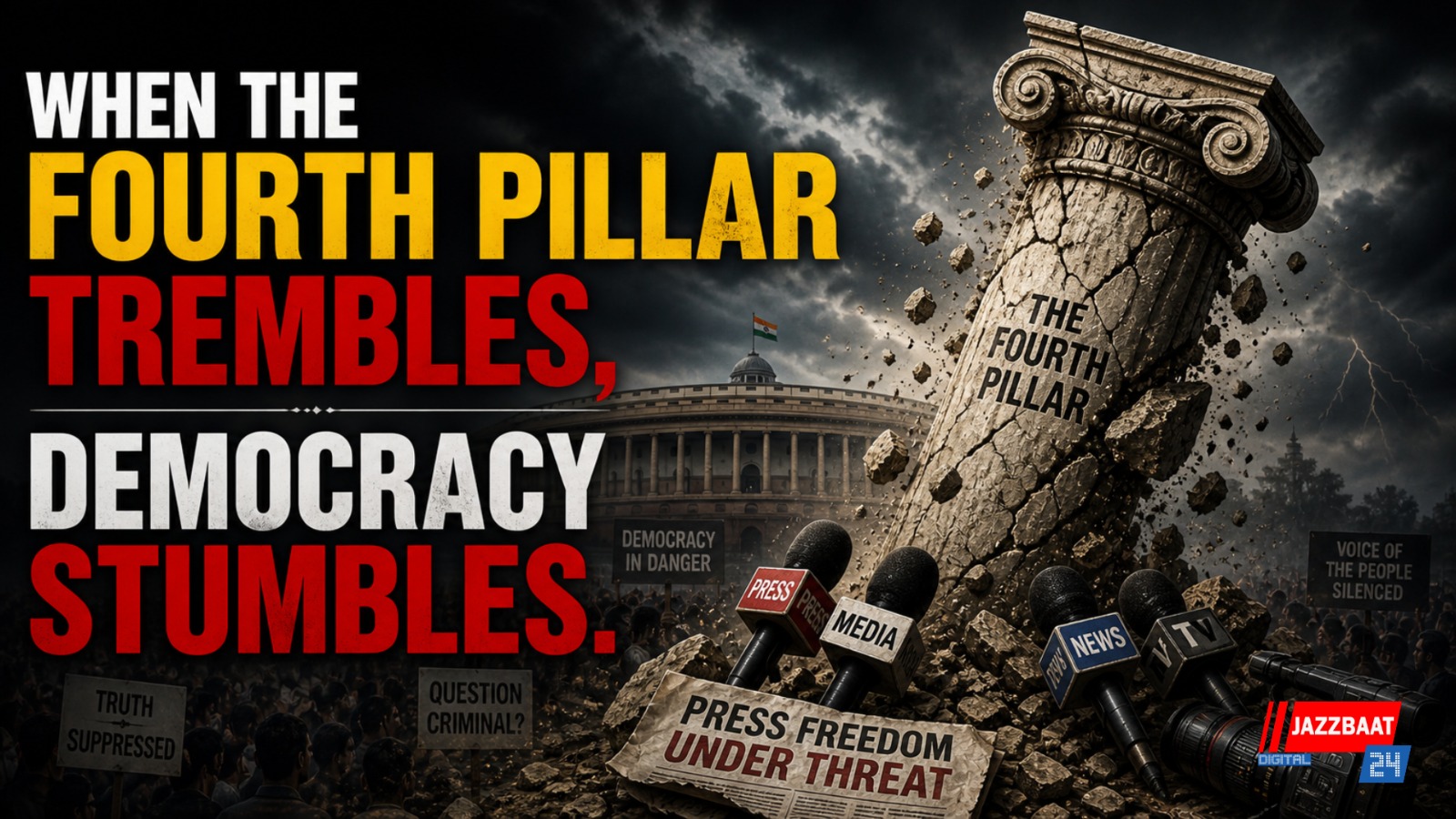
Every year on May 3, the world pauses to observe World Press Freedom Day, a day meant not just for celebration, but for reflection. In 2026, that reflection feels more urgent than ever. Across continents, the press is under pressure, journalists are facing increasing risks, and the space for independent reporting is shrinking in ways that raise serious concerns about the future of democracy itself.
A free press is often described as the “fourth pillar” of democracy, standing alongside the legislature, executive, and judiciary. Its role is simple yet vital: to inform, to question, and to hold power accountable. When journalists report from conflict zones, expose corruption, or amplify voices that might otherwise go unheard, they perform a public service that strengthens democratic systems. But when that press is silenced, through intimidation, censorship, or economic pressure, the consequences ripple far beyond newsrooms.
Globally, recent reports by organizations like Reporters Without Borders and the Committee to Protect Journalists have painted a troubling picture. Press freedom is declining in several regions, with journalists facing arrests, surveillance, and even violence. Wars and geopolitical tensions have further complicated the landscape, making reporting both more dangerous and more essential. In many places, the line between misinformation and truth is being deliberately blurred, eroding public trust.
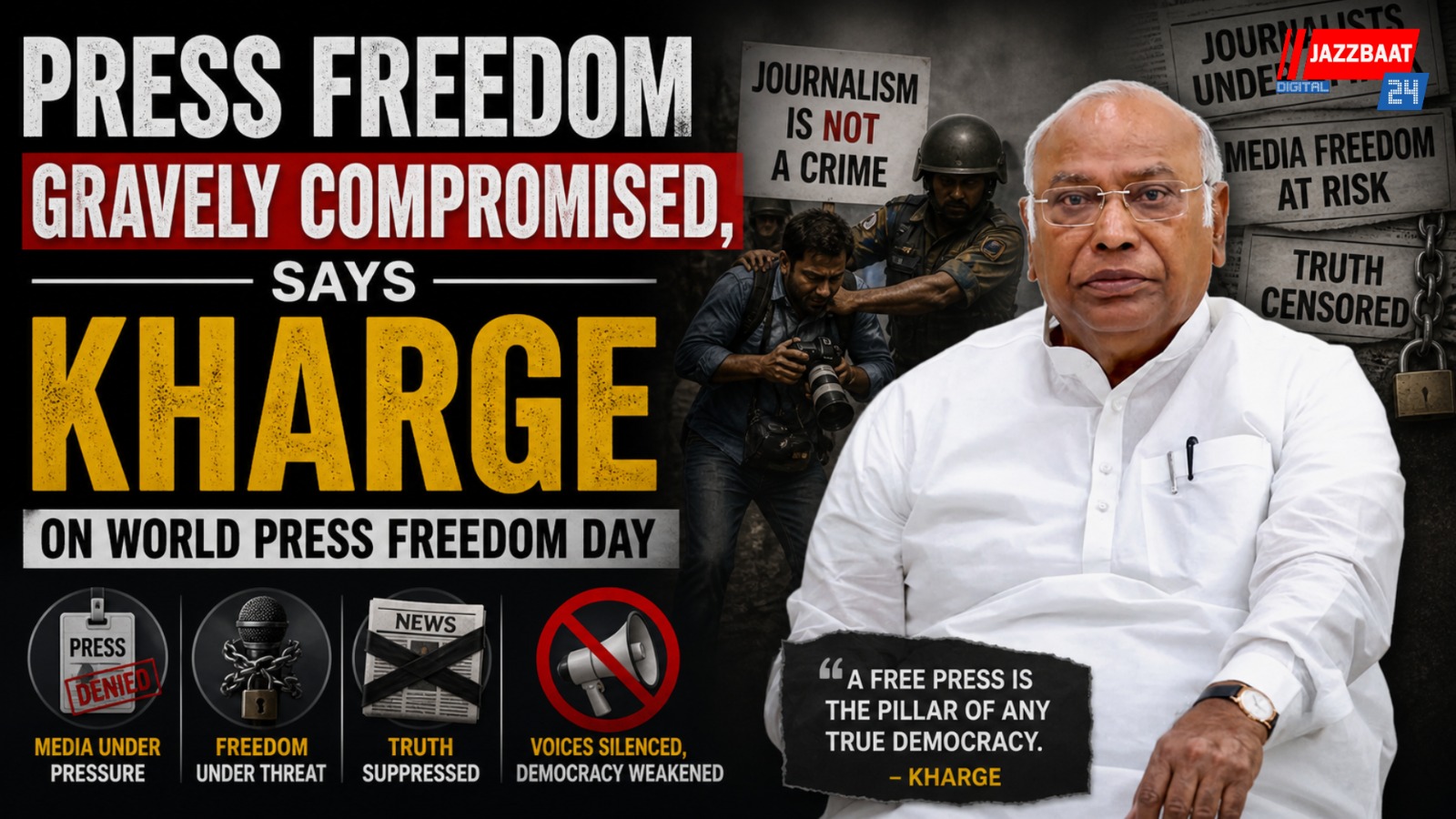
India, the world’s largest democracy, is also part of this global conversation. While the country boasts a vast and diverse media ecosystem, concerns have been raised about increasing pressure on independent journalism. Opposition leaders, including Mallikarjun Kharge, have recently argued that press freedom is being “gravely compromised.” The government, however, maintains that India continues to uphold freedom of expression and that criticism of policies remains widespread. The truth likely lies somewhere in the tension between these competing narratives, a space where journalism must continue to operate with courage and integrity.
What makes the current moment particularly complex is the transformation of the media landscape itself. The rise of digital platforms has democratized information but also opened the floodgates to misinformation. Algorithms often prioritize engagement over accuracy, while independent outlets struggle to survive in an increasingly commercialized environment. In such a climate, the pressure to conform, sensationalize, or self-censor can be immense.
Yet, despite these challenges, journalism continues to endure. From investigative reporters uncovering financial scandals to local journalists documenting everyday struggles, the commitment to truth remains alive. It is this resilience that World Press Freedom Day seeks to honour—not just the institutions, but the individuals who risk their safety to keep the public informed.
The responsibility, however, does not rest solely on journalists. Governments must ensure legal protections and refrain from using laws as tools of suppression. Media organizations must uphold ethical standards and resist the lure of sensationalism. And citizens, perhaps most importantly, must demand credible information and support independent journalism.
Because when the press is silenced, society loses more than just headlines, it loses its ability to see clearly. Without reliable information, accountability fades, and power goes unchecked. In that darkness, misinformation thrives, and democracy weakens.
“From the dark, they bring you light.” It is a powerful reminder of what journalism at its best can achieve. But if that light is dimmed or extinguished, the consequences are collective. As the world marks another World Press Freedom Day, the message is clear: safeguarding press freedom is not optional, it is essential.