
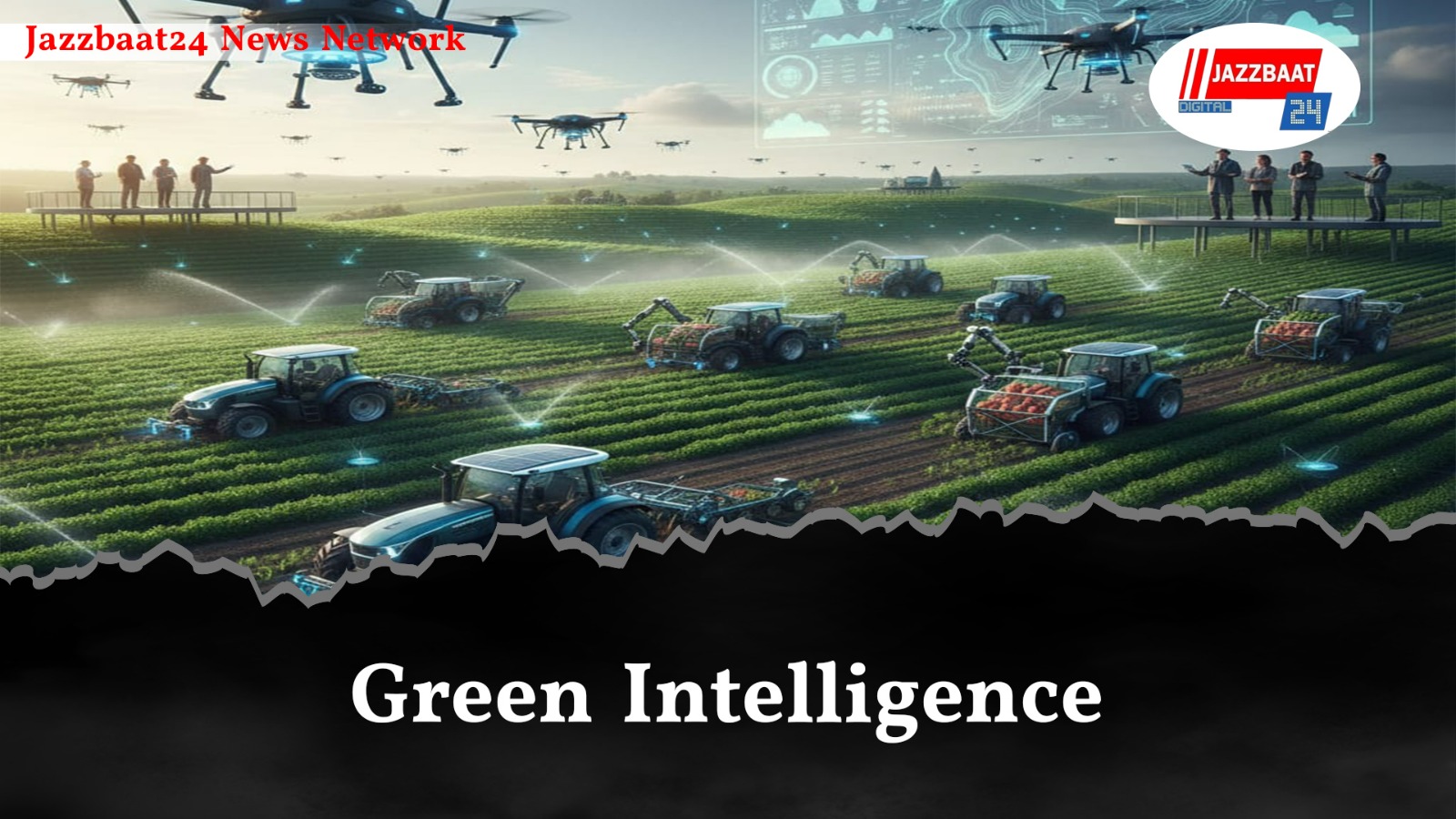
The agricultural sector is on the cusp of a transformational shift, driven by the integration of Artificial Intelligence (AI) into farming practices. Dubbed the era of “Green Intelligence,” this revolution promises to optimize productivity, conserve resources, and make farming more resilient against climate uncertainties.
AI-powered technologies are enabling precision agriculture, where sensors, drones, and satellite imagery collect real-time data on soil health, crop growth, and pest activity. By analyzing these vast datasets, farmers can make data-driven decisions on irrigation, fertilization, and harvesting schedules, reducing waste and increasing yield.
One of the most promising applications is predictive analytics, which allows farmers to anticipate crop diseases, weather events, or market demand. Early detection of crop stress or pest infestations enables timely interventions, potentially saving millions in losses and ensuring food security. Similarly, AI-driven machinery like autonomous tractors and robotic harvesters is reducing manual labor demands while improving efficiency in large-scale farming operations.
Furthermore, AI offers sustainability benefits. Smart irrigation systems powered by machine learning algorithms can optimize water usage, while AI-enabled soil monitoring ensures minimal reliance on chemical fertilizers, reducing environmental impact. In a world grappling with climate change, these innovations could transform agriculture into a climate-smart, resource-efficient industry.
However, the transition to AI-driven farming comes with challenges. Small-scale farmers often face technology access barriers, high initial investment costs, and the need for technical training. Bridging this digital divide is crucial to ensure that AI benefits are inclusive and equitable. Public-private partnerships, government incentives, and knowledge-sharing platforms can play a pivotal role in democratizing AI tools for agriculture.
As nations strive to feed a growing population, the adoption of AI in farming is not just an option; it is a necessity. Green Intelligence has the potential to enhance productivity, reduce environmental footprints, and create resilient food systems for the future. The key lies in strategic implementation, policy support, and farmer engagement, ensuring that this technological revolution uplifts every stakeholder in the agricultural value chain.
The next agricultural revolution is here, and it speaks in algorithms, sensors, and intelligent insights. Embracing AI is no longer a futuristic dream it is the path toward a smarter, greener, and more sustainable agriculture.