

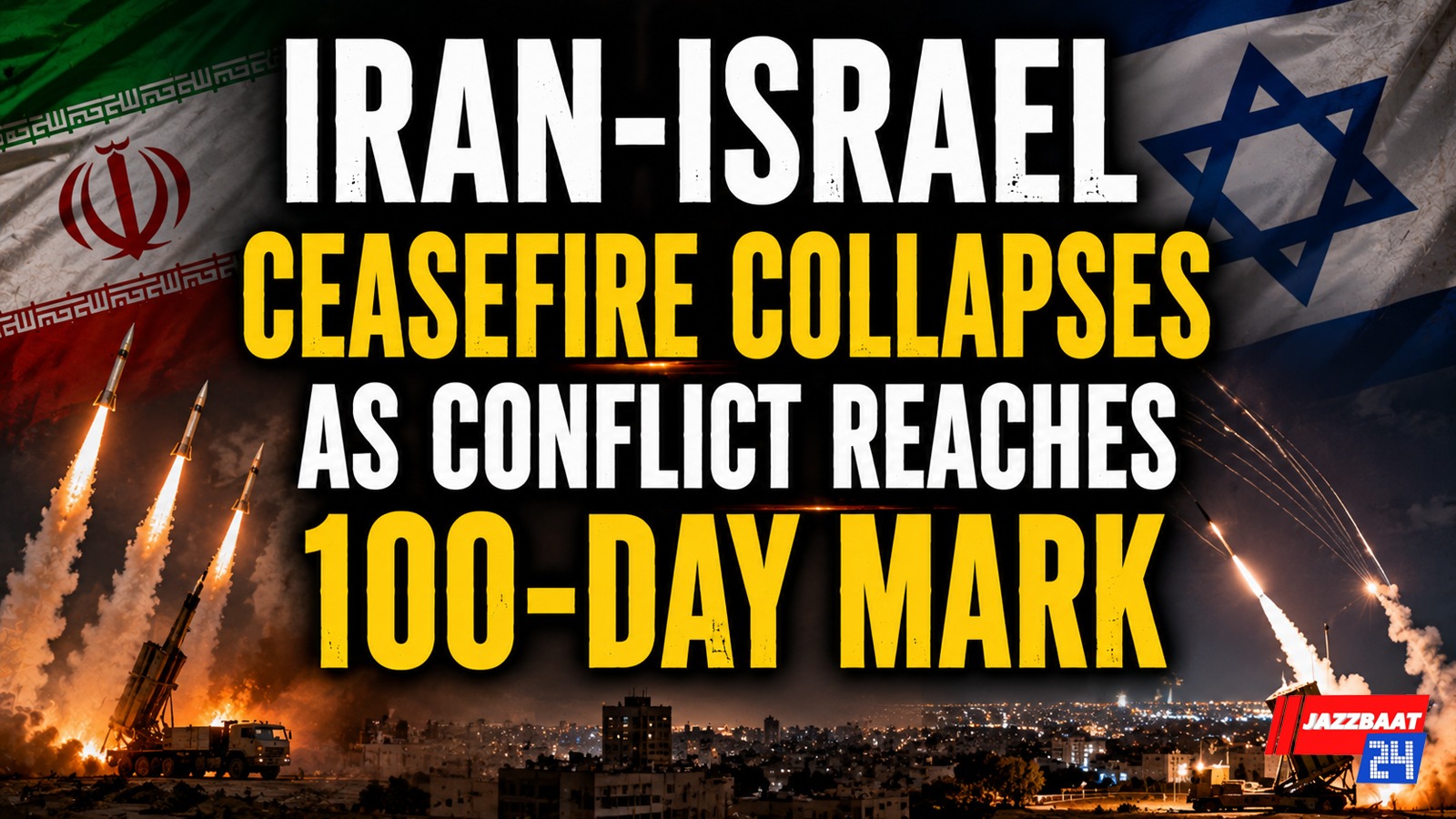
The fragile ceasefire between Iran and Israel has effectively broken down as fresh missile attacks and retaliatory strikes erupted on the 100th day of the conflict, raising fears of a wider regional war even as diplomatic efforts continue behind the scenes. The latest escalation marks one of the most serious setbacks to peace initiatives launched earlier this year.
Tensions surged after Israeli forces carried out airstrikes targeting Hezbollah-linked positions in Beirut, Lebanon. Iran, a key backer of Hezbollah, responded by launching ballistic missiles toward northern Israel in what officials described as retaliation for the attacks in Lebanon. Israeli air-defense systems intercepted most of the incoming missiles, but the exchange shattered the already fragile truce that had been holding since April.
The conflict, which began in late February, has evolved into the most direct and prolonged confrontation between Iran and Israel in recent history. Over the past 100 days, missile attacks, airstrikes, and proxy battles across Lebanon and other parts of the region have caused significant casualties, displaced large numbers of civilians, and disrupted economic activity across the Middle East.
Despite the renewed violence, diplomatic channels remain active. U.S. President Donald Trump has repeatedly urged restraint and said that both Israel and Iran are exploring the possibility of an immediate ceasefire and broader peace agreement. According to reports, Washington has been working with regional mediators to prevent the conflict from expanding further and to revive negotiations on issues including maritime security, sanctions, and Iran's nuclear program.
Reports indicate that Trump personally spoke with Israeli Prime Minister Benjamin Netanyahu, warning against actions that could derail ongoing negotiations. While Israel insists it retains the right to respond to security threats, the United States has emphasized the importance of preventing another major escalation that could destabilize the entire region.
Meanwhile, Iran has signaled that it remains open to diplomatic engagement but has also warned that any further attacks on its interests or allies will trigger stronger retaliation. The involvement of Hezbollah and continuing tensions in Lebanon have added another layer of complexity to peace efforts, making a comprehensive settlement increasingly difficult.
Although missile exchanges have temporarily subsided in some areas, analysts warn that the ceasefire remains extremely fragile. With both sides maintaining military readiness and key disputes unresolved, the risk of a broader regional confrontation continues to loom over the Middle East. Diplomats are racing to secure a lasting agreement, but for now, the region remains on edge as conflict and diplomacy unfold simultaneously.