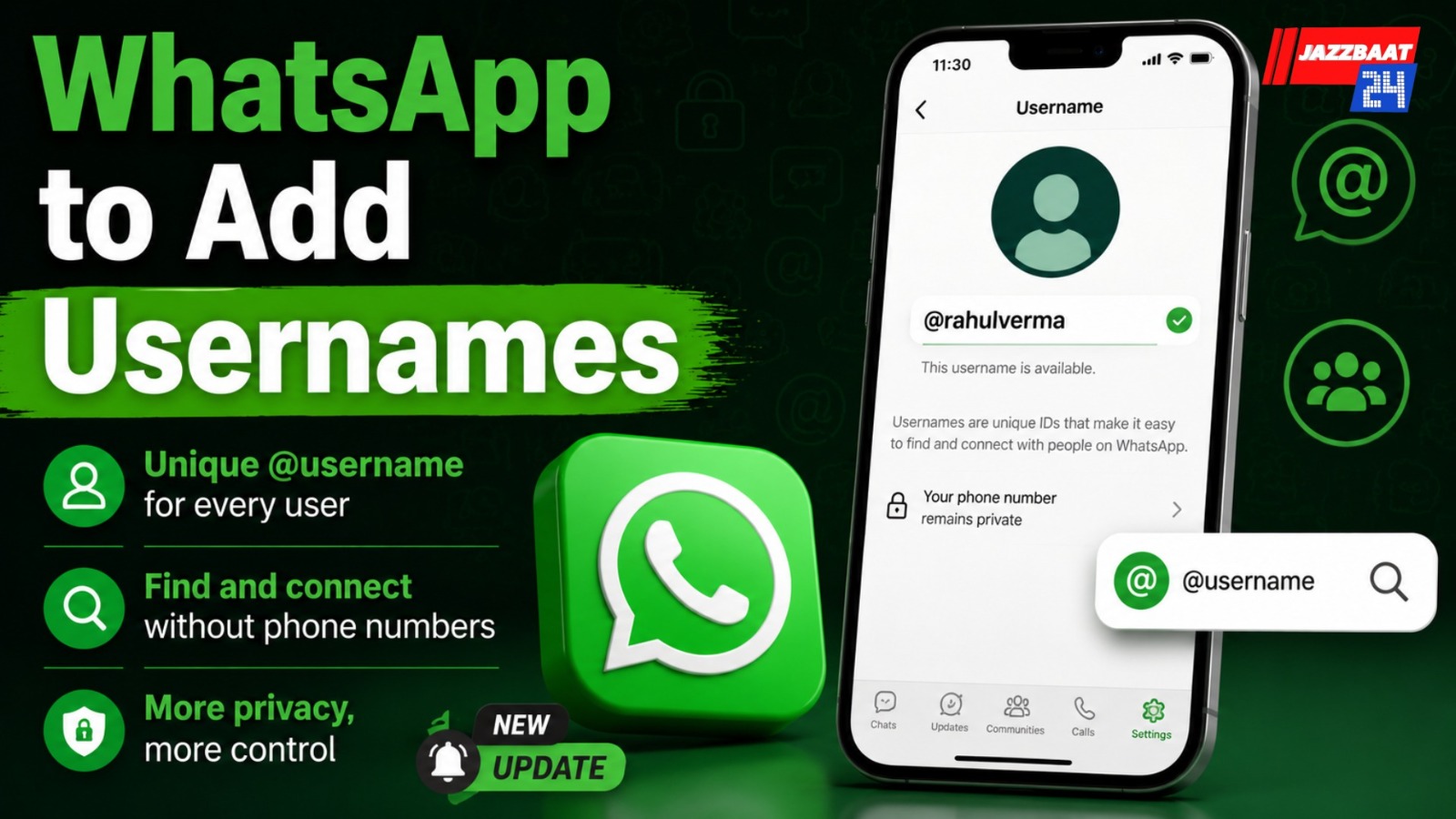
WhatsApp is rolling out a major privacy update that will allow users to chat without sharing their phone numbers. The Meta-owned messaging platform has started letting users reserve unique usernames, with the full feature expected to become available globally later this year.
Once launched, users will be able to connect through usernames instead of phone numbers. However, WhatsApp will still require a phone number to register and log in. The company says the change is aimed at giving users more control over their privacy, especially when contacting new people, joining groups, or interacting with businesses.
The reservation process is already being rolled out gradually on Android and iOS. Users can check availability by updating WhatsApp and going to Settings, then Account, and selecting Username. On iPhone, the option may appear through the profile section.
WhatsApp has also clarified that usernames will not work like a public directory. People will need to know the exact username to start a chat, and the app will not provide public search suggestions. This is designed to prevent unwanted messages and protect users from random discovery.
To add another layer of safety, WhatsApp is introducing an optional username key. If enabled, a person will need both the username and the key to send a first-time message. This could help users avoid spam even if their username becomes known publicly.
The feature is also important for businesses, creators and public figures. Meta is allowing some users to claim usernames linked to their Facebook or Instagram identity, while several high-profile names have reportedly been reserved in advance to prevent impersonation.
The update marks one of WhatsApp’s biggest privacy changes in years. Until now, sharing a WhatsApp contact almost always meant sharing a personal phone number. With usernames, the platform is moving closer to apps like Signal and Telegram, where users can communicate without immediately exposing their number.
For WhatsApp’s more than three billion users, the change could make everyday communication safer and more flexible. It may especially help people who use WhatsApp for work, online communities, customer service or temporary conversations where sharing a private number feels risky.