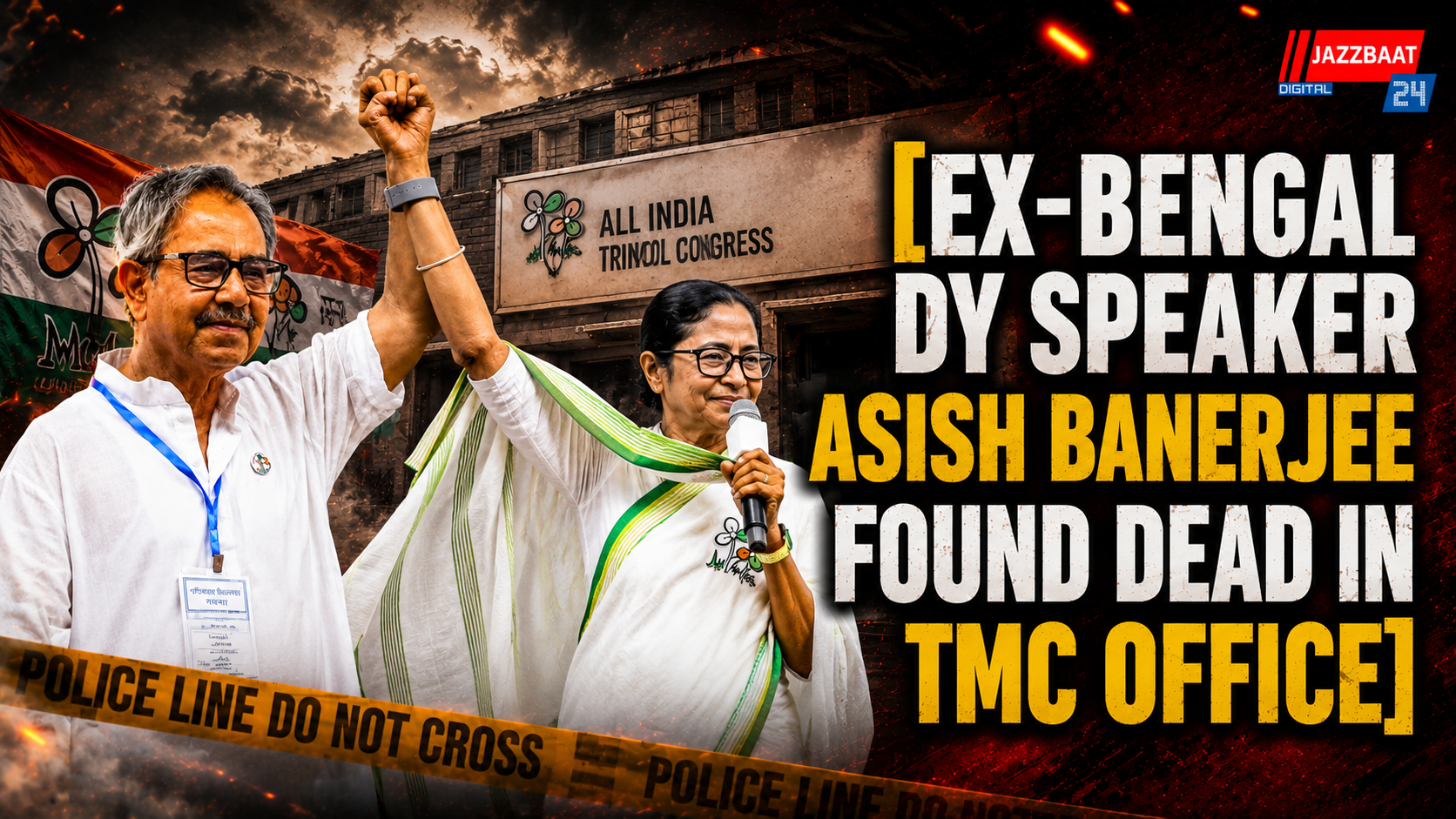


West Bengal Chief Minister Mamata Banerjee on Monday launched a strong political attack on the central government, alleging misuse of power and warning against what she described as rising “state terrorism.” Speaking at a public programme in Kolkata, she said that India must remain governed by the Constitution and not by “the muzzle of the gun.”
Her remarks come amid continuing political tensions between the West Bengal government and the Centre over issues including law and order, central agency investigations, and federal autonomy. Banerjee accused the Centre of using institutional pressure to target opposition-ruled states and weaken democratic voices.
“Constitution or muzzle of gun the country must choose,” she said, adding that democratic institutions must function independently and without fear. She further alleged that attempts were being made to silence dissent and intimidate elected state governments.
Without naming specific leaders, Banerjee said that the federal structure of India is under strain and warned that any attempt to “bulldoze elected governments” would be resisted politically and legally. She also reiterated that West Bengal would continue to defend its constitutional rights within the framework of federal democracy.
Reacting to such allegations, officials associated with the central government rejected the claims, maintaining that all actions taken by central agencies are based on law and due process. They argued that investigations and administrative measures are not politically motivated but are part of routine governance and accountability mechanisms.
The political exchange is the latest in a series of confrontations between the state government and the Centre, with both sides frequently accusing each other of overreach. The issue of federal balance has remained a recurring theme in national politics, especially between opposition-ruled states and the ruling establishment at the Centre.
Political observers note that Banerjee’s remarks are likely aimed at strengthening her party’s narrative on federal rights ahead of upcoming political battles. They also point out that such statements tend to intensify the already strained relationship between Kolkata and New Delhi.
Meanwhile, supporters of the West Bengal government echoed Banerjee’s concerns, claiming that central intervention in state matters has increased in recent years. Opposition voices, however, dismissed the comments as politically motivated rhetoric.
The war of words is expected to continue, with both sides holding firm to their positions on constitutional authority, governance, and federal structure in India’s evolving political landscape.