

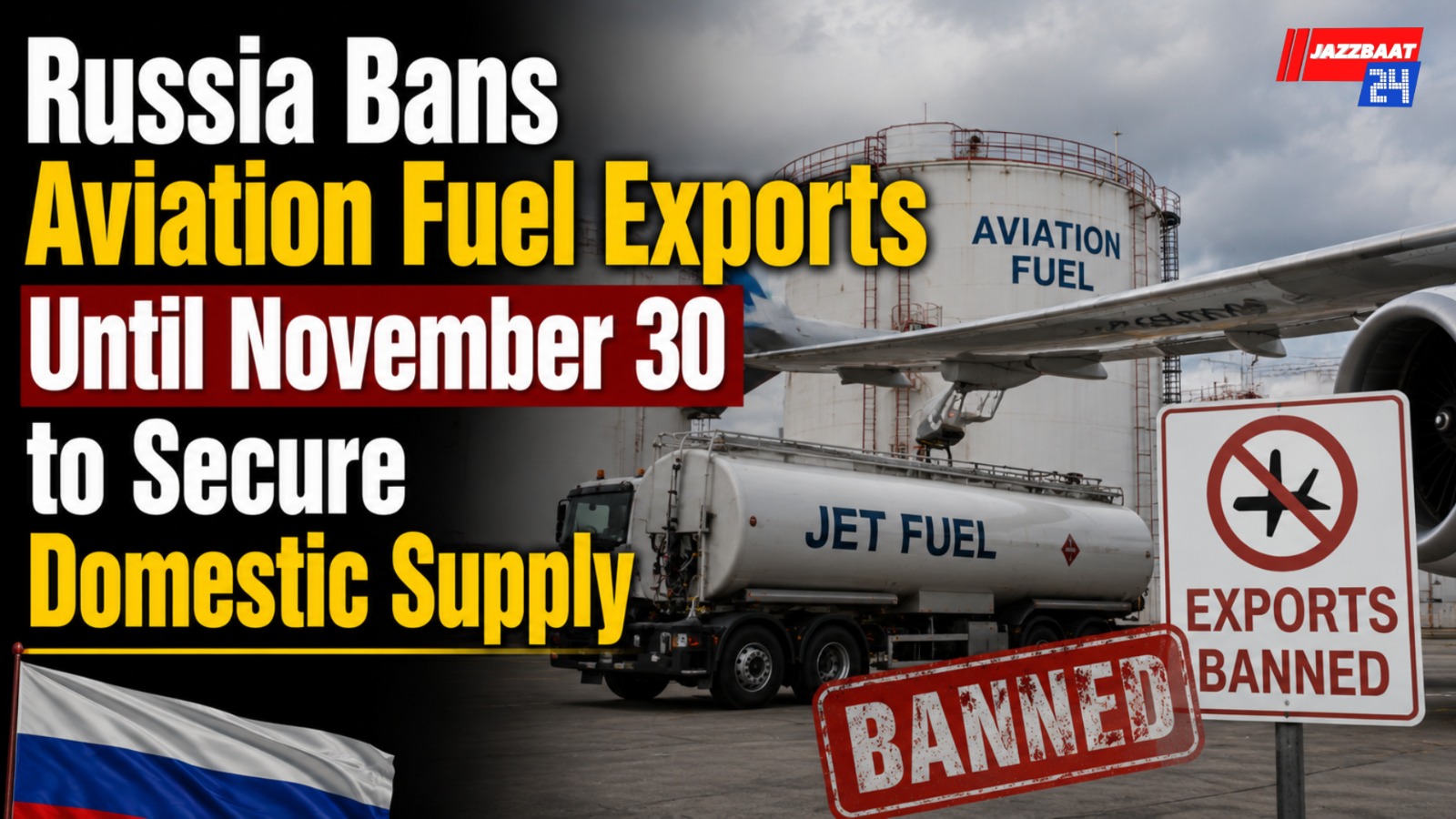
Russia has announced a temporary ban on the export of aviation fuel, a move aimed at ensuring adequate domestic supplies and stabilizing the country's fuel market amid rising seasonal demand. The restriction will remain in force until November 30, according to government officials.
The decision was approved by the Russian government following concerns over fuel availability within the country. Authorities said the measure is intended to prevent shortages at domestic airports and guarantee uninterrupted supplies for airlines operating across Russia during the busy travel season.
Officials noted that maintaining sufficient reserves of aviation turbine fuel is a priority as passenger traffic increases and regional air services expand. The export restrictions are expected to help balance the domestic market and shield consumers from potential price volatility.
Russia is one of the world's major energy exporters, and its aviation fuel shipments are supplied to several international markets. Industry analysts believe the temporary ban could affect fuel availability in some importing countries, particularly those that rely on Russian petroleum products. However, the overall impact on global aviation fuel markets is expected to depend on the duration of the restrictions and the availability of alternative suppliers.
The move follows a series of measures taken by Moscow in recent years to regulate fuel exports during periods of high domestic demand. Similar restrictions have previously been imposed on gasoline and diesel exports when authorities sought to stabilize local prices and ensure adequate supplies for Russian consumers.
Government representatives emphasized that the latest decision is preventive in nature and is designed to support the country's transportation sector. They added that the situation will be monitored closely and that export policies could be reviewed if domestic market conditions improve before the November deadline.
The announcement comes at a time when global energy markets continue to face uncertainty due to geopolitical tensions, changing trade flows, and fluctuating demand patterns. Market participants are expected to closely watch how the Russian export ban influences fuel prices and supply chains in the months ahead.
Experts say airlines and fuel importers in regions that regularly purchase Russian aviation fuel may need to seek alternative sources while the restrictions remain in place. Meanwhile, Russian authorities maintain that ensuring stable domestic fuel supplies remains their primary objective as the country enters a period of heightened transportation activity.