

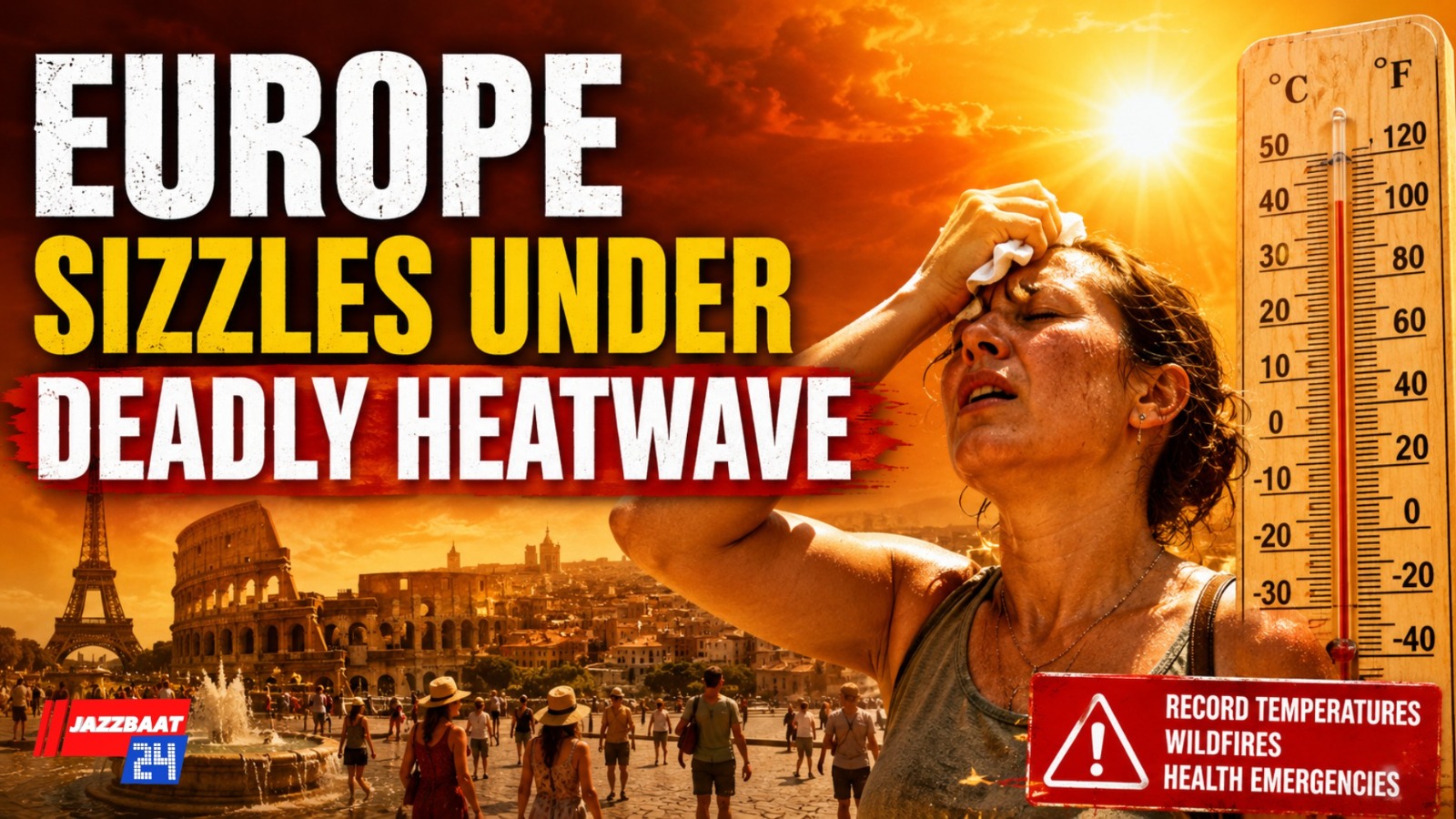
A powerful heatwave sweeping across Europe has triggered health emergencies, broken temperature records and caused dozens of deaths as scorching conditions spread from Scandinavia to the Alps and further east into Central and Eastern Europe. Temperatures in several countries have exceeded 40 degrees Celsius (104 degrees Fahrenheit), with meteorologists warning that the continent is experiencing one of its most intense early-summer heat events on record.
Germany, Denmark, the Czech Republic and Switzerland all reported record-high temperatures over the weekend. Germany registered a new national heat record of 41.5°C, while Denmark experienced its hottest day since records began in the 19th century. Several regions in France, Italy, Hungary, Romania and Moldova also issued red alerts as the extreme heat moved eastward.
Authorities across Europe have linked dozens of deaths to the severe weather, particularly among elderly residents and people with existing health conditions. Hospitals in France and Germany have reported a surge in heat-related illnesses, while emergency services have been stretched by cases of dehydration, heatstroke and respiratory distress. Several nursing homes and care facilities have been forced to evacuate residents because indoor temperatures became dangerously high.
The heatwave has also disrupted daily life and infrastructure. Rail services in parts of Germany and France have been delayed or suspended due to damaged tracks and overheated equipment. Some nuclear power plants in Switzerland and Hungary reduced electricity production because river water used for cooling became too warm. In Italy, concerns are growing over drought conditions and falling water levels in the Po River, a crucial source for agriculture.
Climate scientists say such extreme temperatures would have been nearly impossible without human-induced climate change. Researchers from the World Weather Attribution group have described the current event as one of Europe's most severe heatwaves, warning that these episodes are becoming more frequent, longer and more intense due to global warming.
Meteorologists expect some relief in western parts of Europe as thunderstorms and cooler air begin moving in. However, eastern and southeastern regions are likely to continue facing dangerous temperatures in the coming days, prompting governments to urge residents to stay hydrated, avoid outdoor activities during peak hours and check on vulnerable family members and neighbours.