

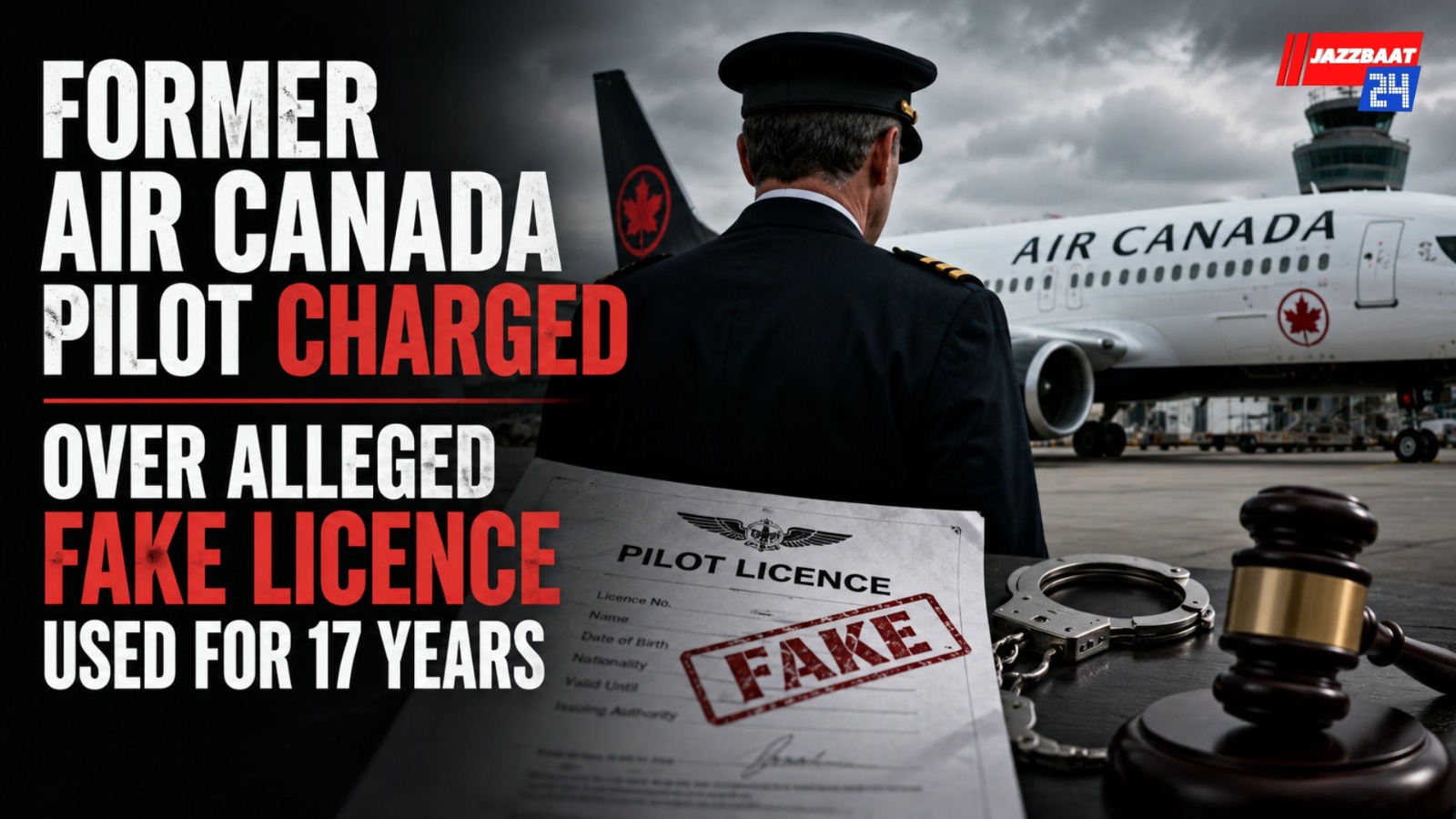
Canadian authorities have charged a former Air Canada pilot accused of flying commercial passengers for nearly 17 years using a fraudulent pilot's licence, in a case that has raised serious concerns about aviation oversight and licensing verification procedures in Canada.
According to the Royal Canadian Mounted Police (RCMP), the accused allegedly obtained employment with commercial airlines by presenting falsified aviation credentials and forged documents that misrepresented his qualifications. Investigators claim the pilot successfully maintained the deception for almost two decades while operating passenger flights within Canada and on international routes.
Police said the investigation began after discrepancies were discovered during a review of pilot records and licensing documentation. Subsequent inquiries reportedly revealed that the individual did not possess the valid commercial pilot qualifications required to operate large passenger aircraft despite having worked in the aviation industry for years.
Authorities allege that the accused used forged records to secure positions with airlines, including Air Canada and other commercial operators. Investigators are examining how the documents passed through multiple verification processes over such a long period without being detected.
The RCMP has filed several criminal charges, including allegations related to fraud, forgery, and the use of falsified documents. Officials emphasized that the charges remain allegations and that the accused is presumed innocent unless proven guilty in court.
The case has prompted renewed scrutiny of aviation regulatory systems in Canada. Aviation experts have expressed surprise that an individual could allegedly avoid detection for such an extended period in an industry known for strict safety requirements, recurrent training, simulator evaluations, and periodic certification reviews.
Transport Canada and aviation regulators are cooperating with law enforcement agencies to determine whether any gaps existed in the licensing verification process. Officials are also reviewing historical records to assess whether additional safeguards may be required to prevent similar incidents in the future.
Authorities have sought to reassure the public that commercial aviation remains one of the safest modes of transportation. Investigators noted that airline pilots routinely undergo simulator testing, medical examinations, recurrent training, and operational checks throughout their careers. The inquiry will examine how the suspect allegedly navigated those requirements despite the concerns surrounding his credentials.
Air Canada has stated that it is cooperating fully with investigators and reviewing relevant records connected to the case. The airline emphasized its commitment to safety and regulatory compliance while declining to comment on matters currently before the courts.
The case is expected to proceed through the Canadian judicial system in the coming months. If convicted, the accused could face significant penalties under Canadian criminal law. Meanwhile, the investigation continues as authorities work to determine the full scope of the alleged fraud and whether any additional individuals or organizations were affected.
The revelations have drawn widespread attention across Canada's aviation sector, with industry observers describing the case as one of the most unusual pilot licensing investigations in recent memory.