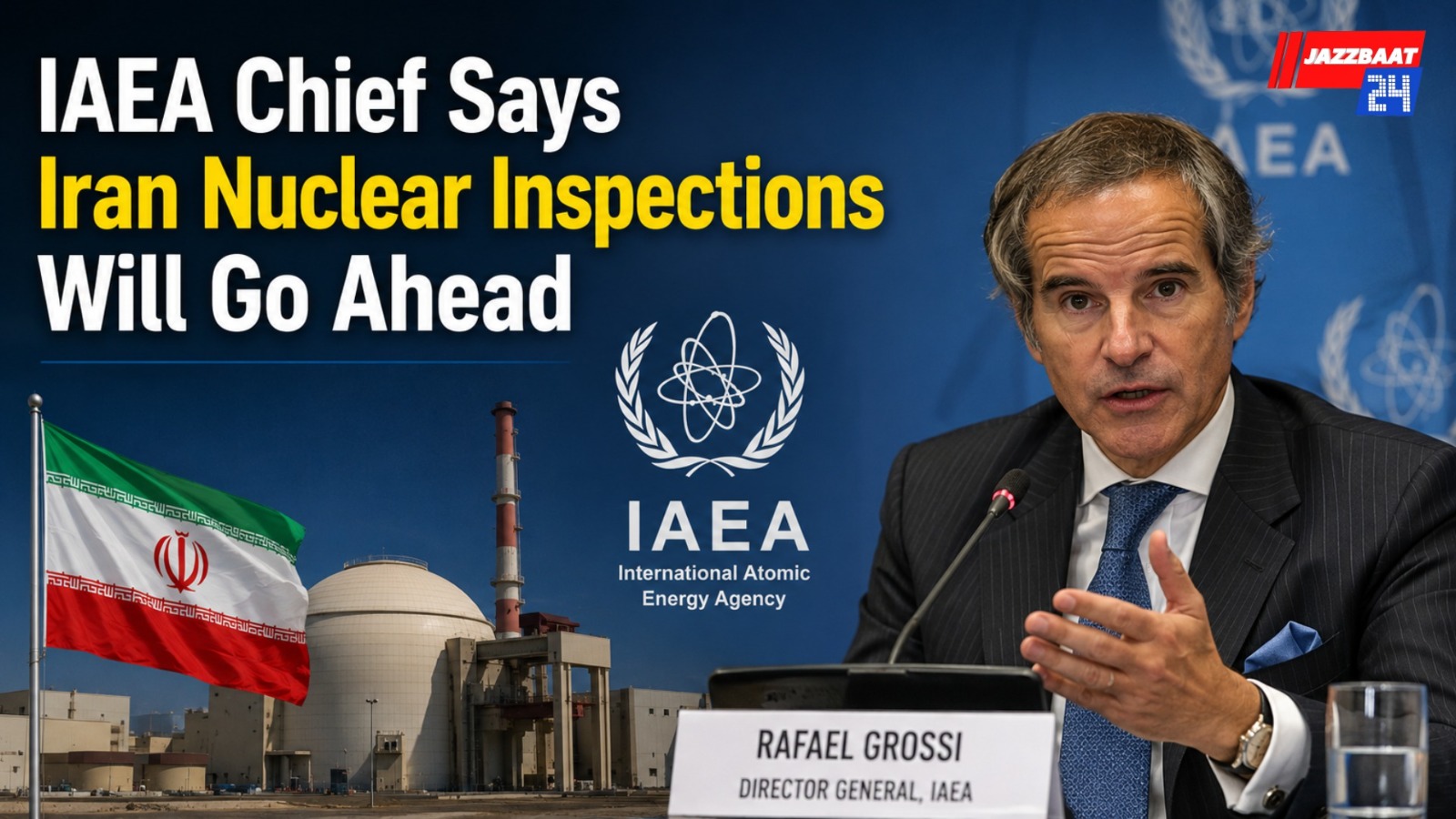
International Atomic Energy Agency (IAEA) Director General Rafael Grossi has said inspections of Iran's nuclear facilities "are going to happen," expressing confidence that UN inspectors will soon regain access under a preliminary agreement between Iran and the United States. His remarks came amid conflicting statements from Tehran and Washington over the implementation of the recent nuclear understanding.
Speaking during a visit to Japan's Fukushima Daiichi nuclear power plant, Grossi said the memorandum of understanding (MoU) signed between Iran and the United States clearly provides for the IAEA to verify Iran's nuclear activities. He stressed that there is "no ambiguity" regarding the agency's role and confirmed that discussions are underway to determine the timing, scope and practical arrangements for the inspections.
However, Iranian officials have pushed back against Grossi's remarks. Deputy Foreign Minister Kazem Gharibabadi said inspectors would not be allowed to visit sensitive nuclear facilities, particularly those recently targeted in military strikes, until a final agreement is reached and U.S. sanctions are lifted. Tehran insists that inspections will only resume after the broader negotiations are successfully concluded.
The inspections are considered a key part of the ongoing diplomatic process. Under the preliminary deal, Iran is expected to reduce its stockpile of highly enriched uranium while allowing international verification. The IAEA says confirming the status and location of Iran's nuclear material is essential for ensuring compliance and rebuilding confidence in the country's nuclear programme.
According to the IAEA's latest assessments, Iran previously possessed more than 440 kilograms of uranium enriched to 60% purity—close to weapons-grade levels. While recent military strikes damaged several nuclear facilities, the agency believes a significant portion of the enriched uranium may still exist, making independent inspections critical to verify its condition and whereabouts.
The United States has maintained that Iran agreed to allow international inspections as part of the interim understanding, while Tehran has continued to deny that immediate access has been granted. Despite these public differences, Grossi expressed optimism that the IAEA would soon resume its verification work, saying inspections are essential for the success of any lasting nuclear agreement.