

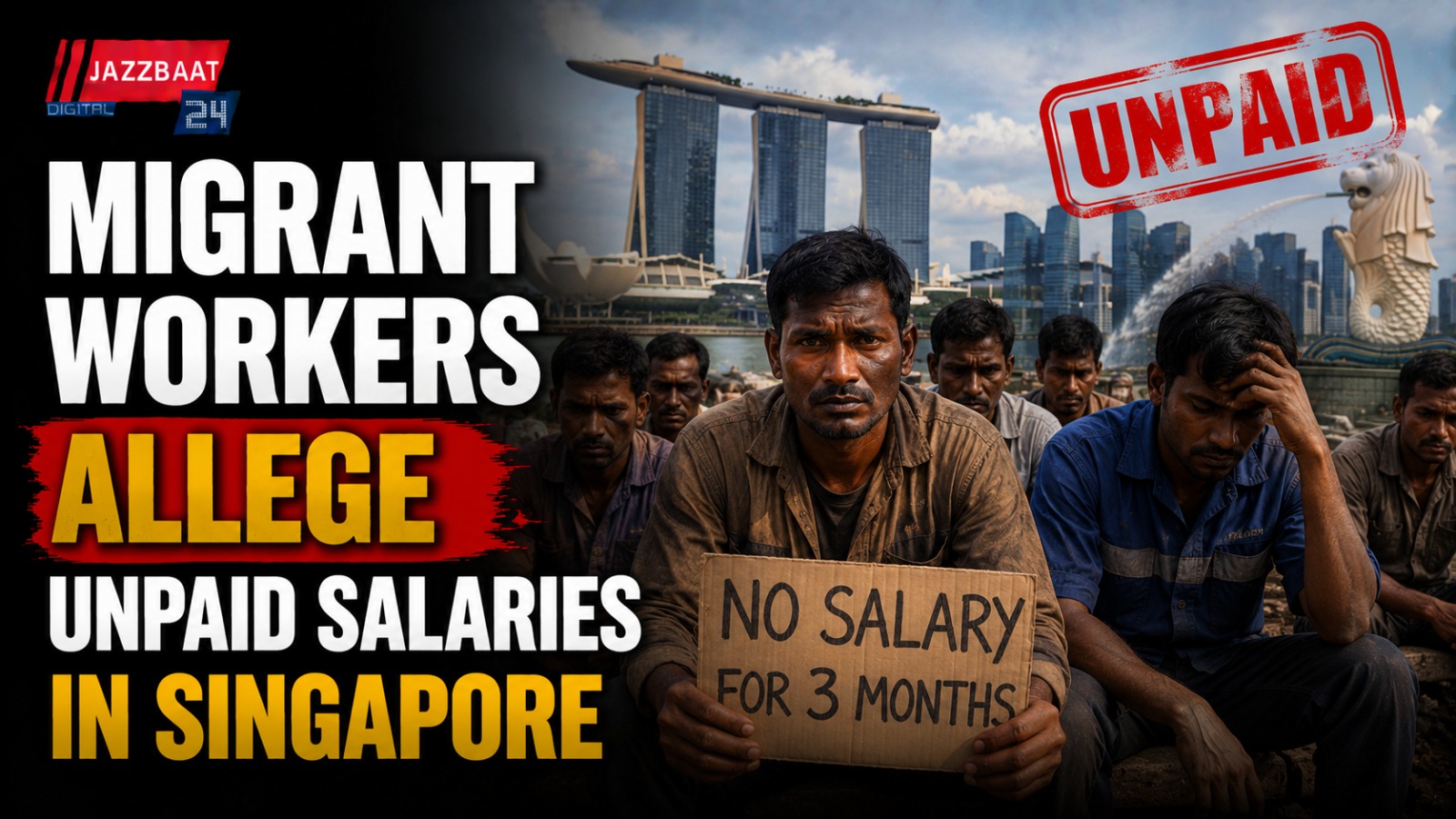
Around 400 migrant workers from India and Bangladesh have accused several Singapore-based companies of failing to pay their wages, raising fresh concerns over labour rights and worker welfare in the city-state.
According to reports, the affected workers, many of whom were employed in the construction and marine sectors, claim they have gone for months without receiving their full salaries. Some workers allege that they were promised regular payments and stable employment but were left struggling after companies encountered financial difficulties. Authorities are now reviewing the complaints and investigating the firms involved.
Worker advocacy groups said many of the migrants had taken loans in their home countries to secure jobs in Singapore, making delayed or unpaid wages particularly difficult for them and their families. Several workers reportedly approached labour organisations and government agencies seeking assistance after repeated attempts to recover their dues failed.
Singapore’s Ministry of Manpower has acknowledged the complaints and said it is working with relevant agencies to ensure workers receive the support they need. Officials have also reminded employers of their legal obligation to pay salaries on time and warned that action could be taken against companies found to have violated employment regulations.
Labour rights groups have urged faster intervention, arguing that affected workers often face financial hardship while waiting for investigations and legal processes to conclude. They have also called for stronger safeguards to prevent similar incidents in the future.
The case has drawn attention in both India and Bangladesh, where families of the workers depend heavily on overseas income. Migrant workers from South Asia form a significant part of Singapore’s workforce, particularly in labour-intensive industries such as construction, shipbuilding and maintenance.
As investigations continue, many of the affected workers remain uncertain about when they will receive their outstanding wages. The issue has once again highlighted the challenges faced by migrant labourers and the importance of enforcing employment protections for foreign workers.