
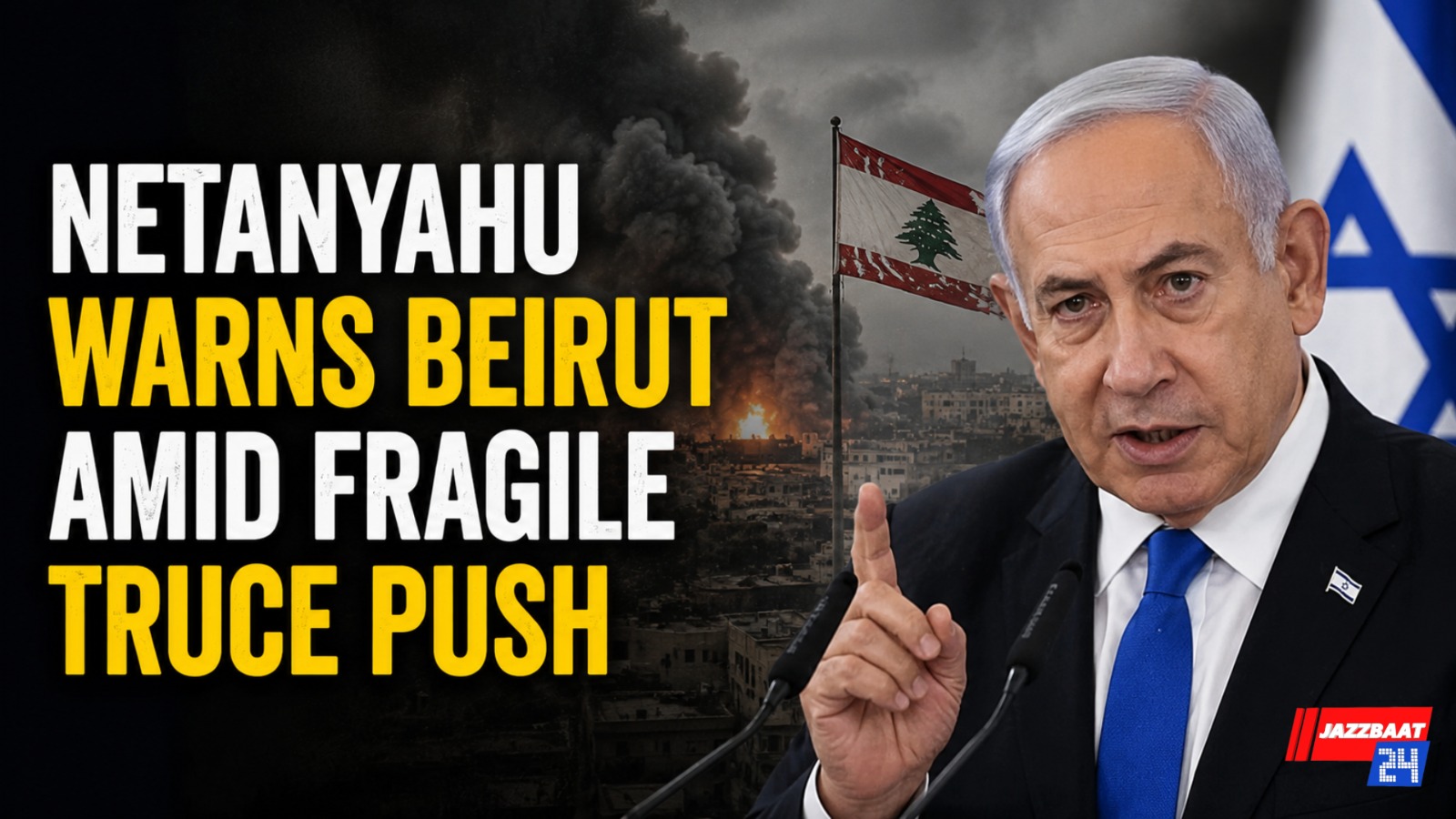
Israeli Prime Minister Benjamin Netanyahu has broken his silence following U.S. President Donald Trump’s announcement of a proposed truce aimed at reducing tensions between Israel and Hezbollah. While welcoming diplomatic efforts, Netanyahu made it clear that Israel would continue military operations if attacks from Hezbollah persist, warning that Beirut could face further strikes if Israeli civilians remain under threat.
The latest developments come after days of heightened violence along the Israel-Lebanon border. Trump claimed that both Israel and Hezbollah had agreed to halt hostilities and “stop all shooting” after a series of discussions involving U.S. officials and regional mediators. The announcement briefly raised hopes of a reduction in violence in a conflict that has already caused significant destruction and displacement across Lebanon and northern Israel.
However, Netanyahu’s remarks suggested that Israel is not prepared to ease military pressure without concrete guarantees. According to Israeli officials, the Prime Minister told Trump that any continued rocket or drone attacks by Hezbollah would trigger a strong response from the Israeli military. He emphasized that Israel’s operations in southern Lebanon would continue as planned and that no Hezbollah target would be considered off-limits if attacks on Israel continued.
The warning followed Israeli airstrikes on Beirut’s southern suburbs, an area widely regarded as a Hezbollah stronghold. The strikes prompted fresh evacuations and renewed fears of a wider regional conflict. Hezbollah, meanwhile, has rejected proposals for a limited ceasefire and continues to insist that any agreement must involve a complete halt to Israeli military action.
The situation has also complicated broader diplomatic efforts in the Middle East. Iran has warned that continued Israeli attacks in Lebanon could undermine ongoing negotiations and ceasefire discussions involving the United States. Lebanese officials have pushed for a full and immediate ceasefire, arguing that partial arrangements are unlikely to bring lasting stability.
International leaders have expressed concern over the escalating violence. Several European governments have called for restraint, while humanitarian organizations have warned about the growing impact on civilians. Thousands of families in Lebanon have already been displaced by the fighting, and fears remain that further escalation could trigger a larger regional crisis.
Despite Trump’s optimistic claims that a truce remains possible, the latest exchanges between Israel and Hezbollah highlight how fragile the situation remains. With both sides maintaining hardline positions, the prospects for a lasting ceasefire continue to face major challenges.Sources: