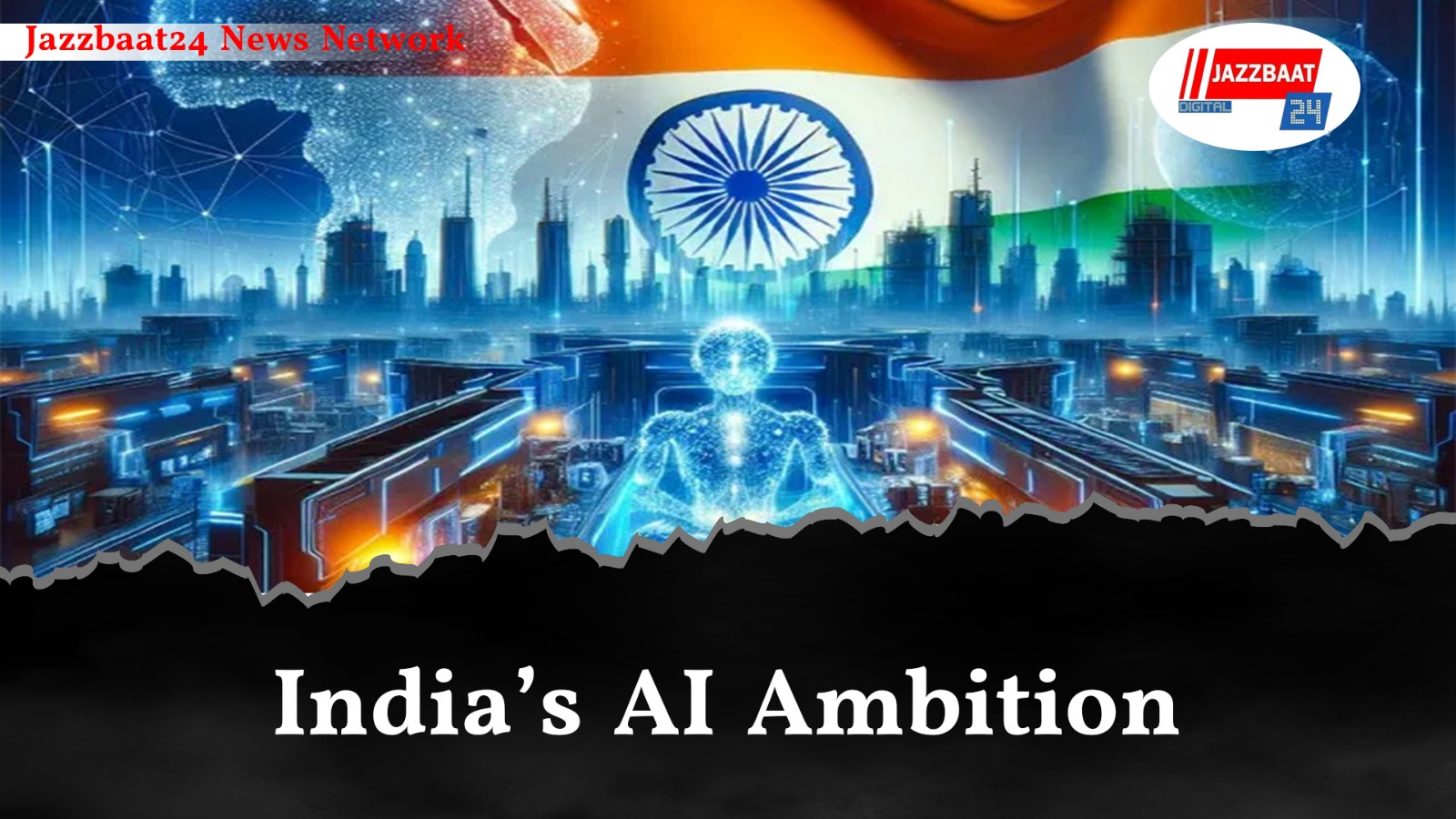
India is rapidly positioning itself as a global hub for artificial intelligence, with major investments in digital infrastructure, data centres and technology talent. Experts believe the country’s expanding digital ecosystem could significantly reshape both technology and non-technology careers in the coming decade.
Over the past few years, the government and private sector have accelerated efforts to strengthen India’s digital backbone. Initiatives such as Digital India, high-speed internet expansion and large-scale cloud infrastructure have laid the groundwork for a thriving AI ecosystem. These developments are supported by growing investments from global technology companies and domestic startups that are building AI-driven products for sectors ranging from healthcare to agriculture.
India’s massive data generation is another factor boosting its AI ambitions. With more than a billion internet users, the country produces enormous amounts of digital data daily through online payments, e-commerce, social media and public digital platforms. Systems such as Aadhaar and the Unified Payments Interface have helped create one of the world’s largest digital public infrastructures, providing a foundation for training advanced AI models.
To further accelerate development, the government has also introduced the IndiaAI Mission, a programme aimed at building AI computing capacity, funding startups and supporting research. The initiative focuses on creating powerful computing clusters, developing indigenous AI models and making advanced technology accessible to students, researchers and businesses.
Industry experts say this digital transformation will significantly influence future job markets. In the technology sector, demand is expected to surge for professionals skilled in machine learning, data science, cybersecurity, robotics and cloud computing. Engineers and developers who can design and manage AI systems are likely to be among the most sought-after professionals.
However, the impact of AI will not be limited to tech roles alone. Non-technical careers are also expected to evolve as industries integrate AI into everyday operations. Fields such as healthcare, finance, education, marketing and logistics are increasingly using AI tools to analyse data, automate processes and improve decision-making.
For example, healthcare professionals may rely on AI systems to assist with diagnostics, while farmers could use AI-powered tools to predict crop yields or monitor soil health. In finance and retail, AI-driven analytics are helping companies understand customer behaviour and personalise services.
At the same time, experts emphasise the importance of upskilling. As automation transforms traditional roles, workers will need to adapt by learning new digital skills and working alongside AI-based systems. Educational institutions and training platforms are already introducing AI-related courses to prepare students for the evolving job market.
With strong digital infrastructure, a large talent pool and growing government support, India is increasingly seen as a key player in the global AI race. Analysts say the country’s ability to combine technology development with widespread digital adoption could shape not only the future of its economy but also the careers of millions of people in both technical and non-technical fields.