
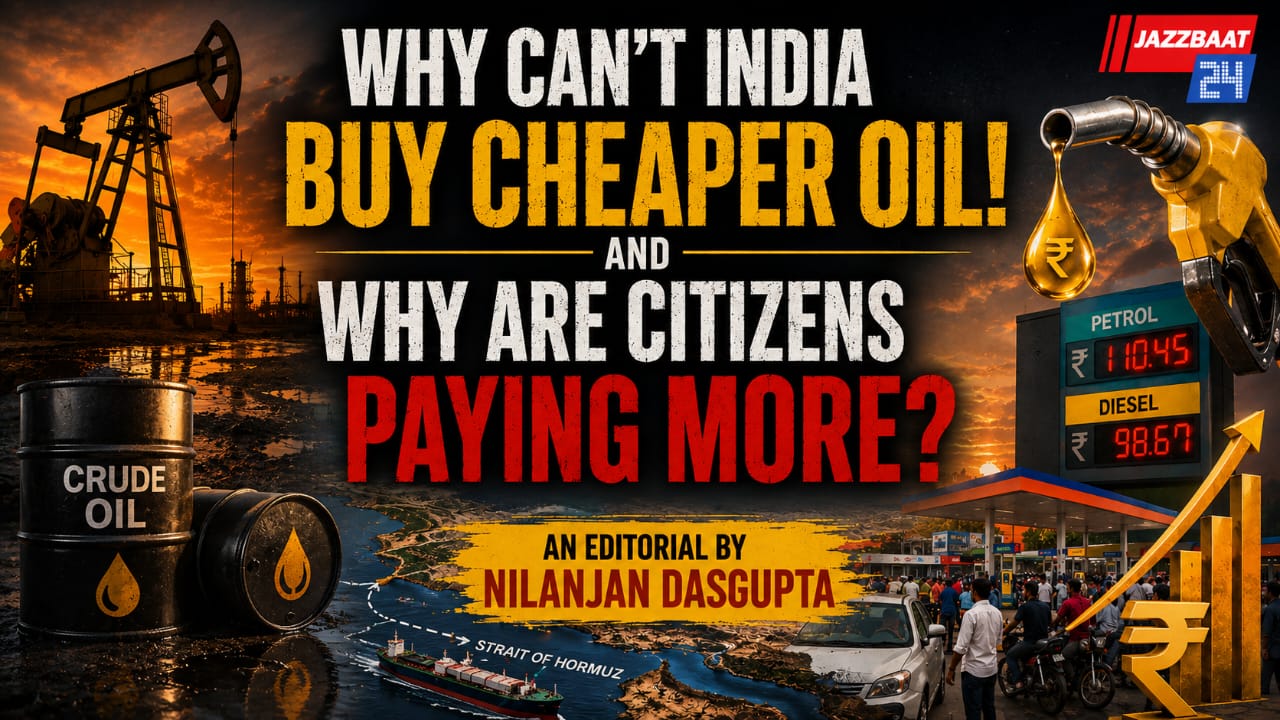
As fuel prices continue to climb across India, a growing question is being asked by ordinary citizens: if cheaper crude oil is available in the global market, why is India not fully benefiting from it, and why are consumers still paying more at the pump?
The answer lies in a complex mix of geopolitics, energy security, taxes, and global supply disruptions.
India imports more than 85 percent of its crude oil requirements, making it highly vulnerable to international market fluctuations. In recent years, discounted Russian crude helped India keep fuel costs under control. Russian oil became a major source of imports after Western sanctions reshaped global energy trade following the Ukraine conflict. Even today, Russia remains one of India’s largest crude suppliers.
However, the situation has changed dramatically in 2026. The ongoing conflict involving Iran and disruptions in the Strait of Hormuz one of the world’s most important oil shipping routes—have pushed global crude prices sharply higher. Shipping costs, insurance premiums, and supply risks have all increased, making crude oil more expensive regardless of its source.
India has responded by diversifying imports, increasing purchases from countries such as Venezuela, Brazil, Angola, and Nigeria. While these alternatives help reduce dependence on the Middle East, they do not completely shield the country from rising global prices.
Another key factor is taxation. Even when crude oil prices fall, consumers do not always see a proportional reduction in petrol and diesel rates. Taxes imposed by the Centre and states make up a significant portion of the retail fuel price. As a result, changes in international crude prices do not always translate directly into lower prices at fuel stations.
Meanwhile, state-run oil marketing companies say they are facing heavy losses due to soaring crude costs. Despite multiple fuel price hikes this month, reports indicate that these companies are still losing hundreds of crores of rupees daily because import costs have risen faster than retail prices.
For consumers, the impact is immediate. Higher fuel prices increase transportation costs, push up food and commodity prices, and add pressure on household budgets. As India balances energy security, diplomatic considerations, and economic stability, the challenge remains the same: securing affordable oil without exposing the economy to greater geopolitical risks.